


WANDERER: TFOF

GAMES // WANDERER: TFOF


Step into the unknown and embark on an epic, time travel adventure, completely re-imagined for the next generation of VR.
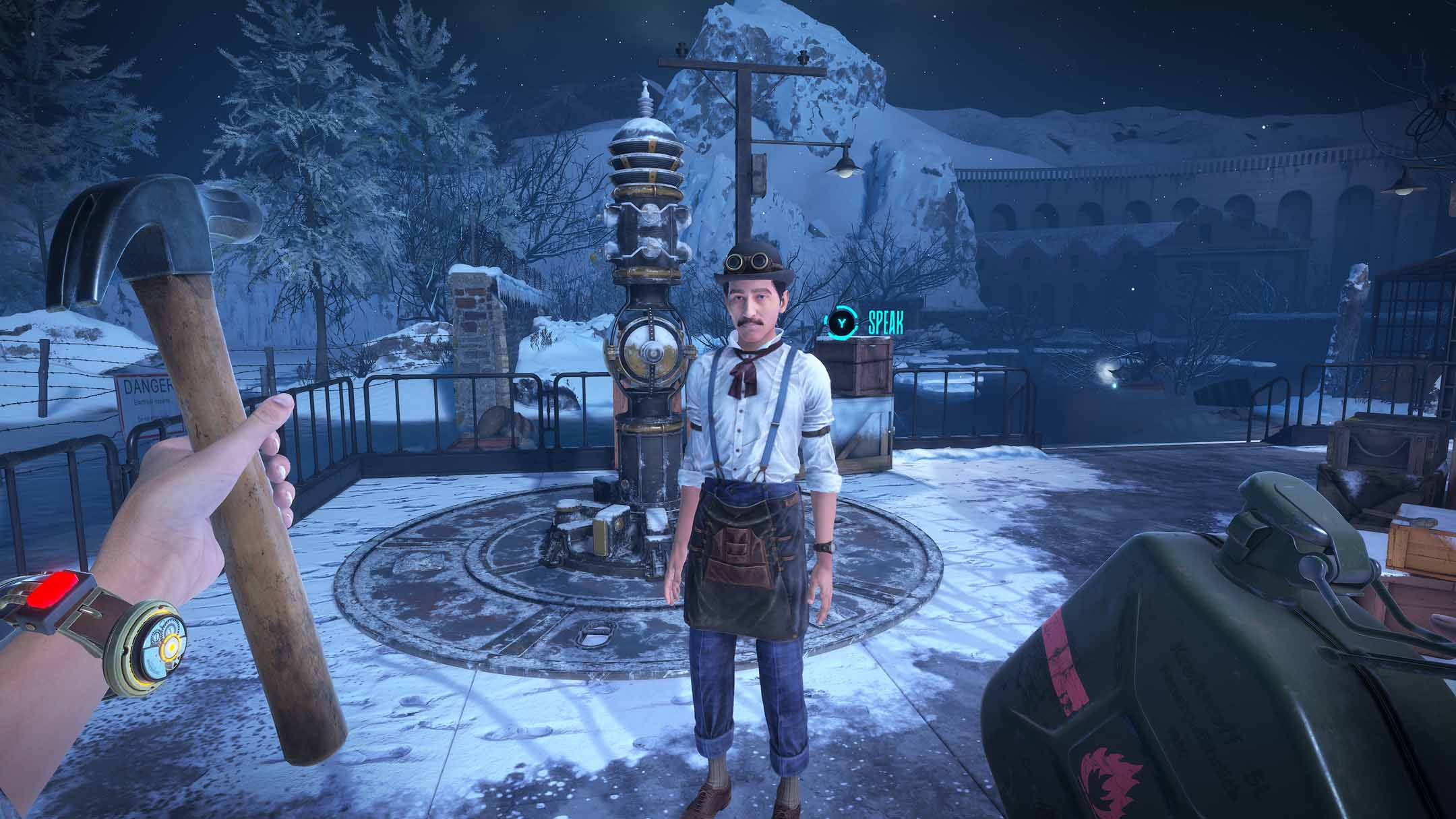
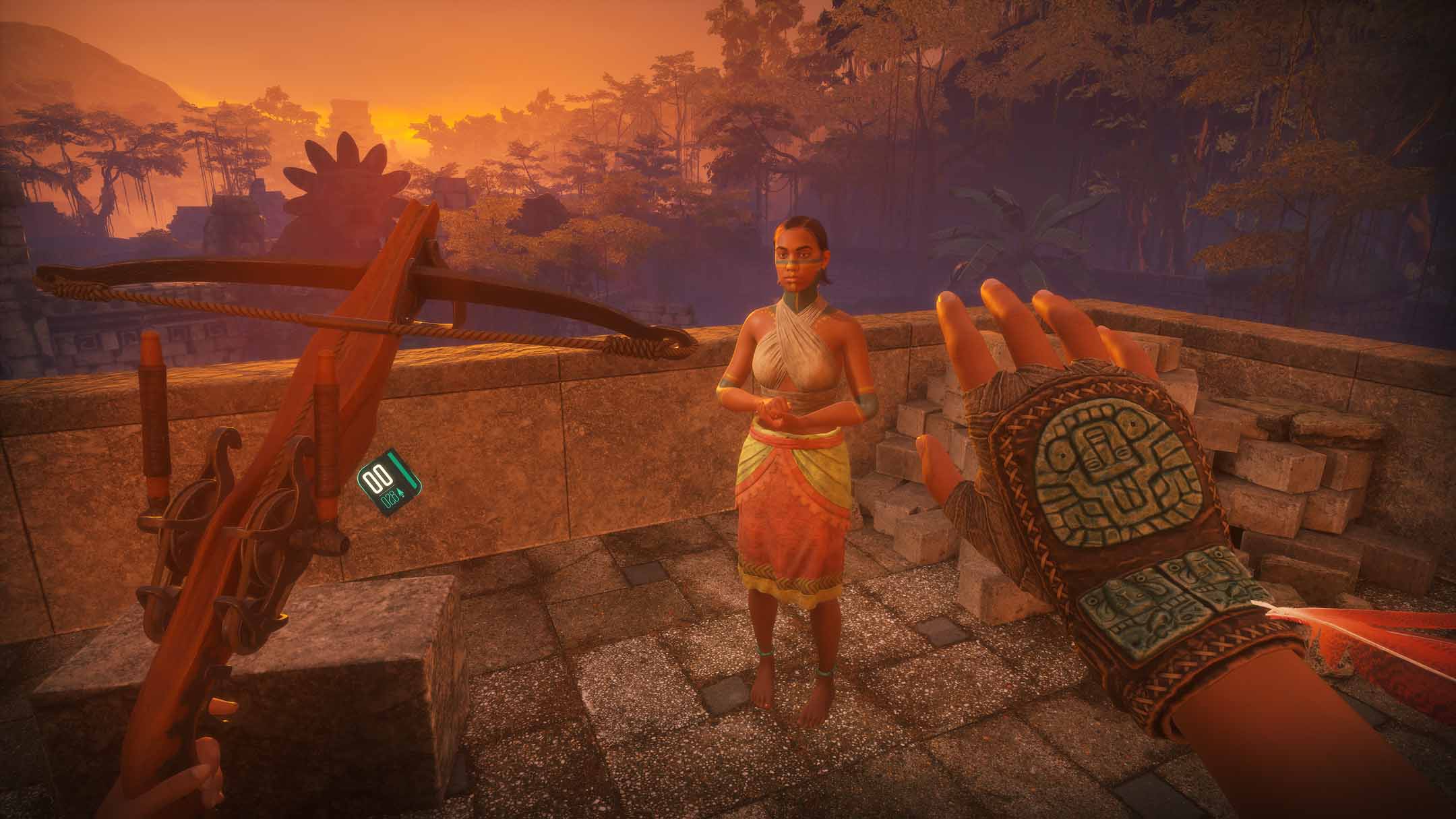
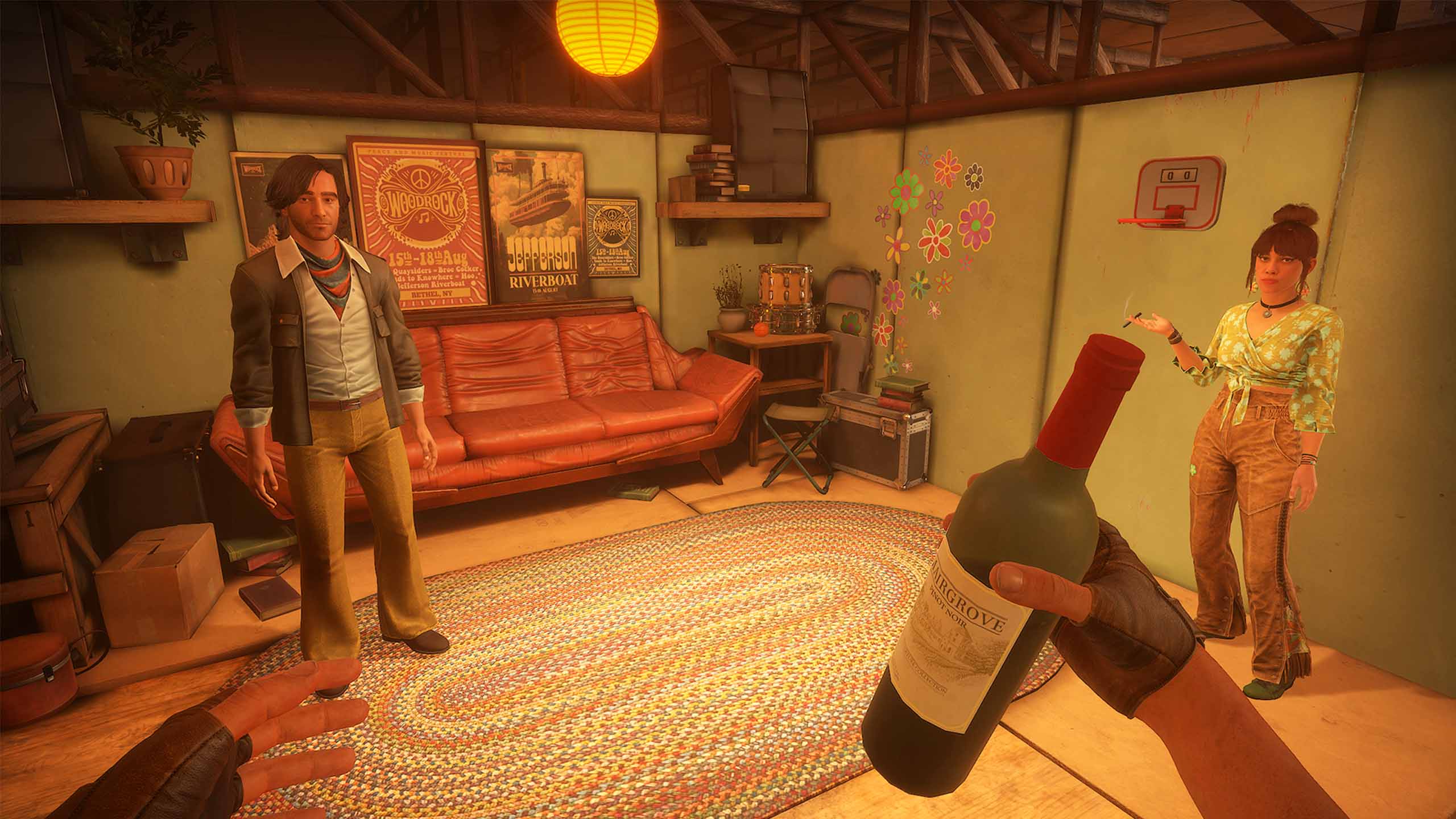
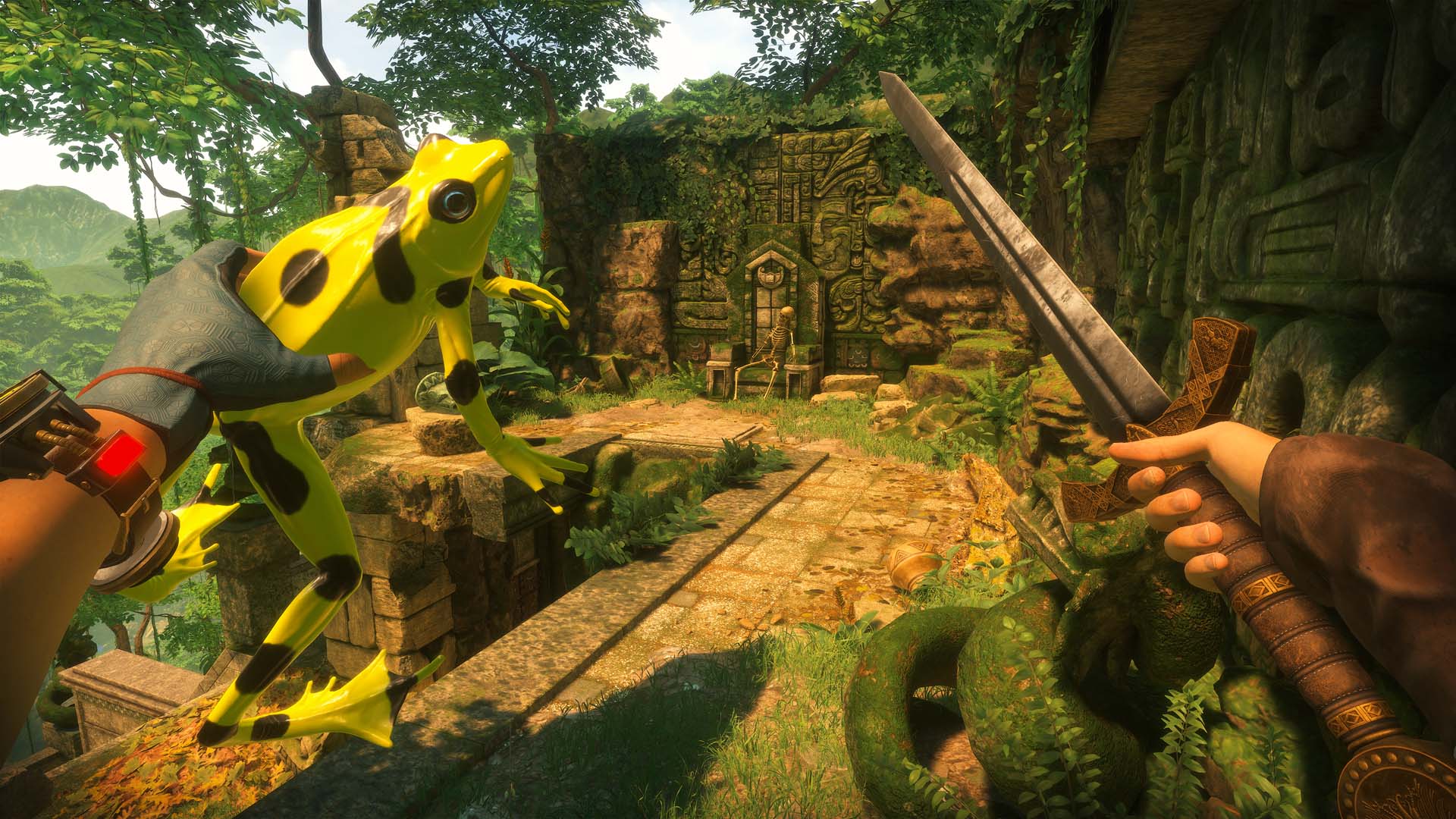
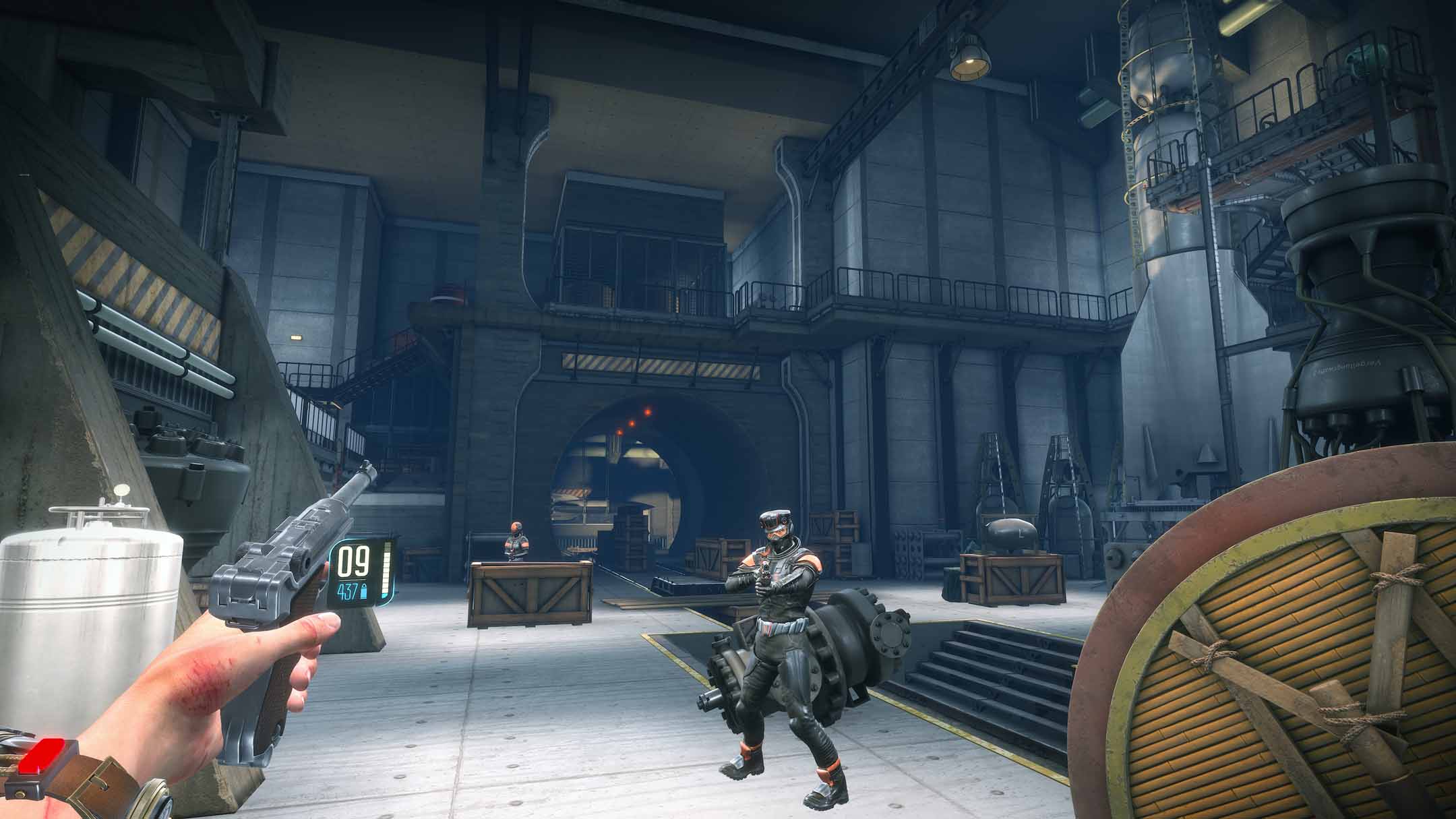
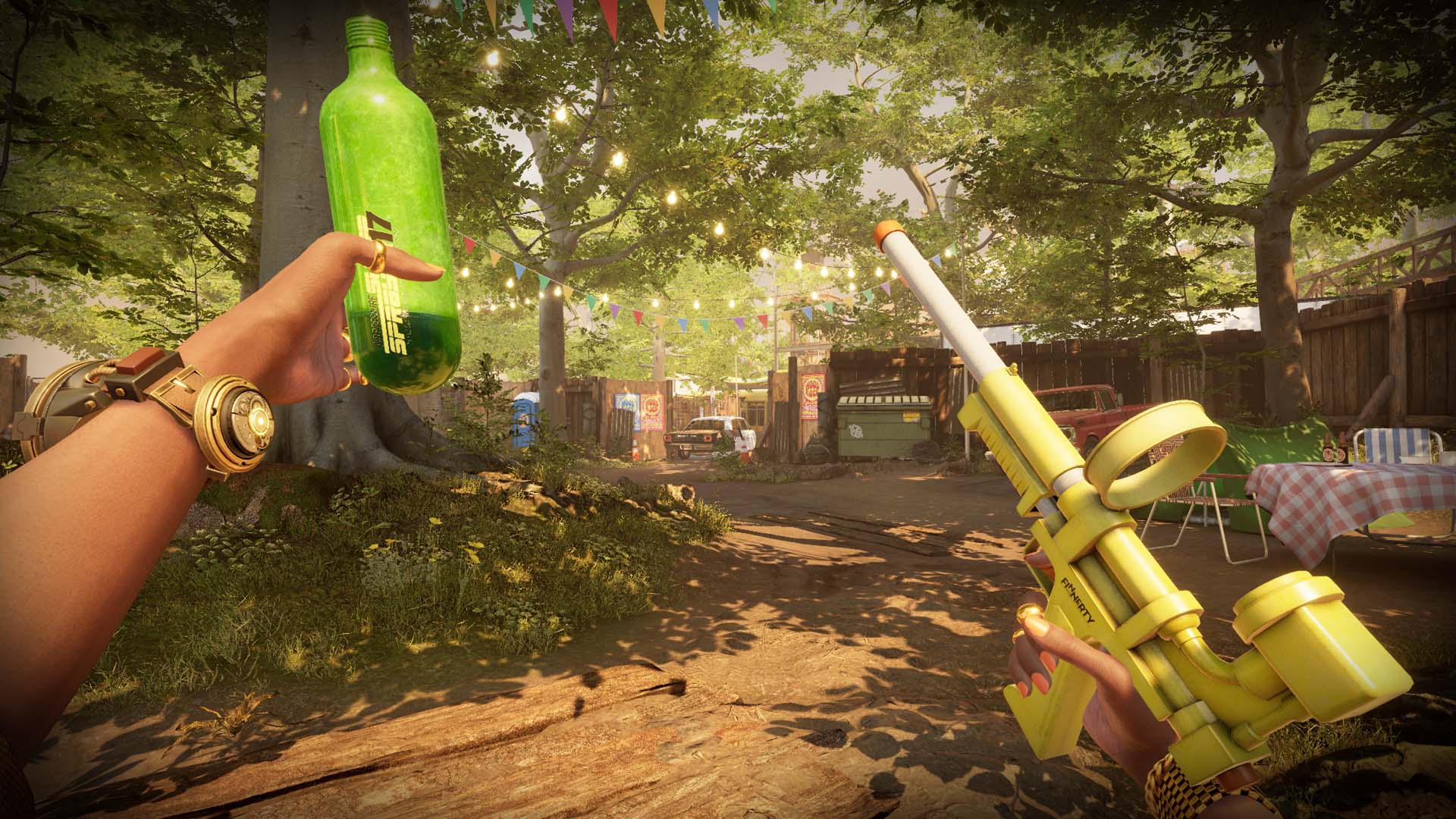
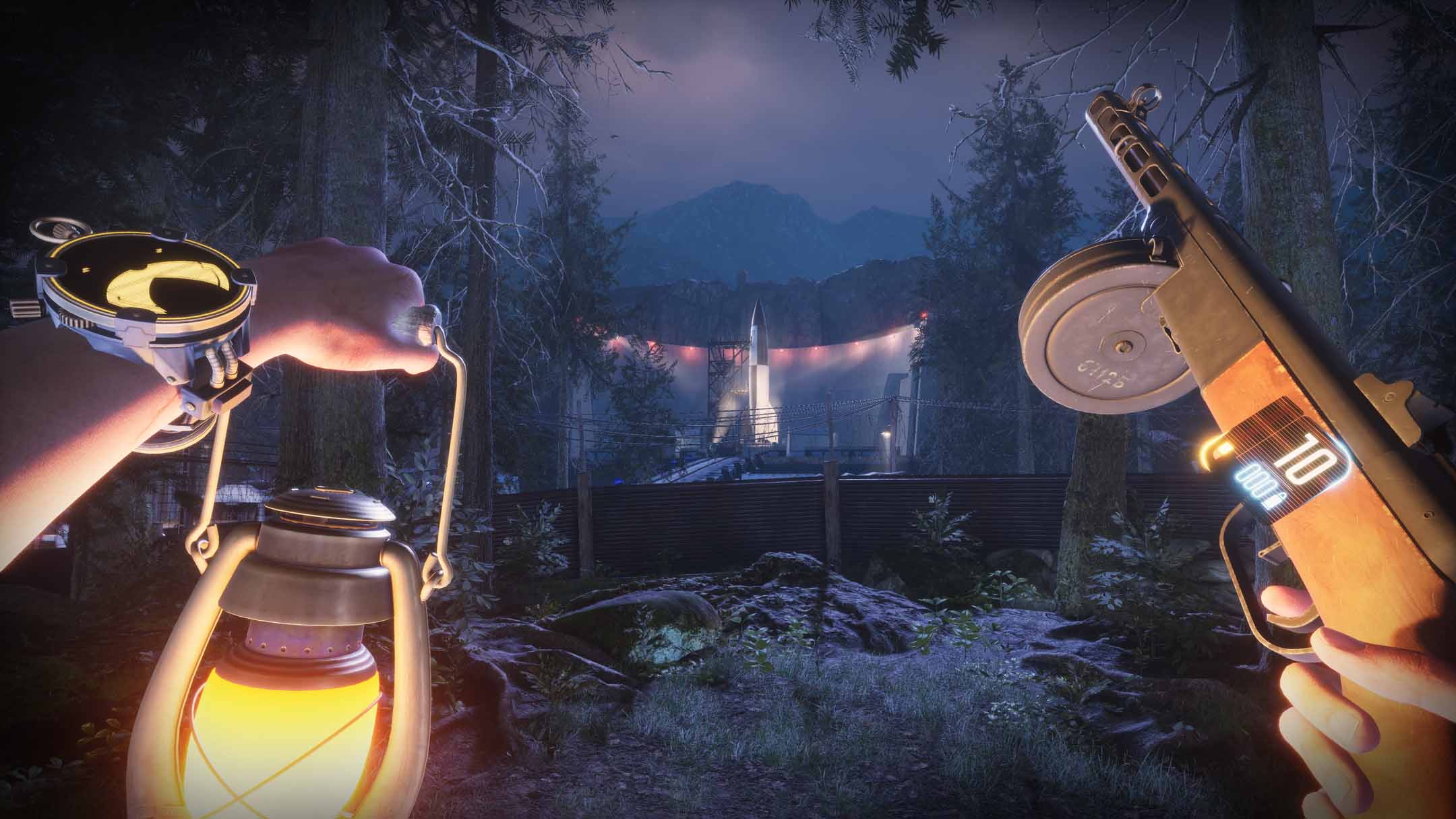
You are Asher Neumann, thrust into an unexpected adventure to change the course of history. A multitude of exciting new features and gameplay await keen adventurers. Filled with breathtaking new visuals, you can now swim, jump, crouch, climb, zipline and swing your way through time, in true adventure fashion.
The Journey
Wanderer: The Fragments of Fate was a far more ambitious undertaking than it might look at first glance. On the surface it could be mistaken for a simple visual remake, but under the hood it was anything but. Partnering again with both PlayStation and Meta, our goal was to rebuild the original Wanderer for the next generation of VR headsets - not just prettier, but fundamentally more advanced.
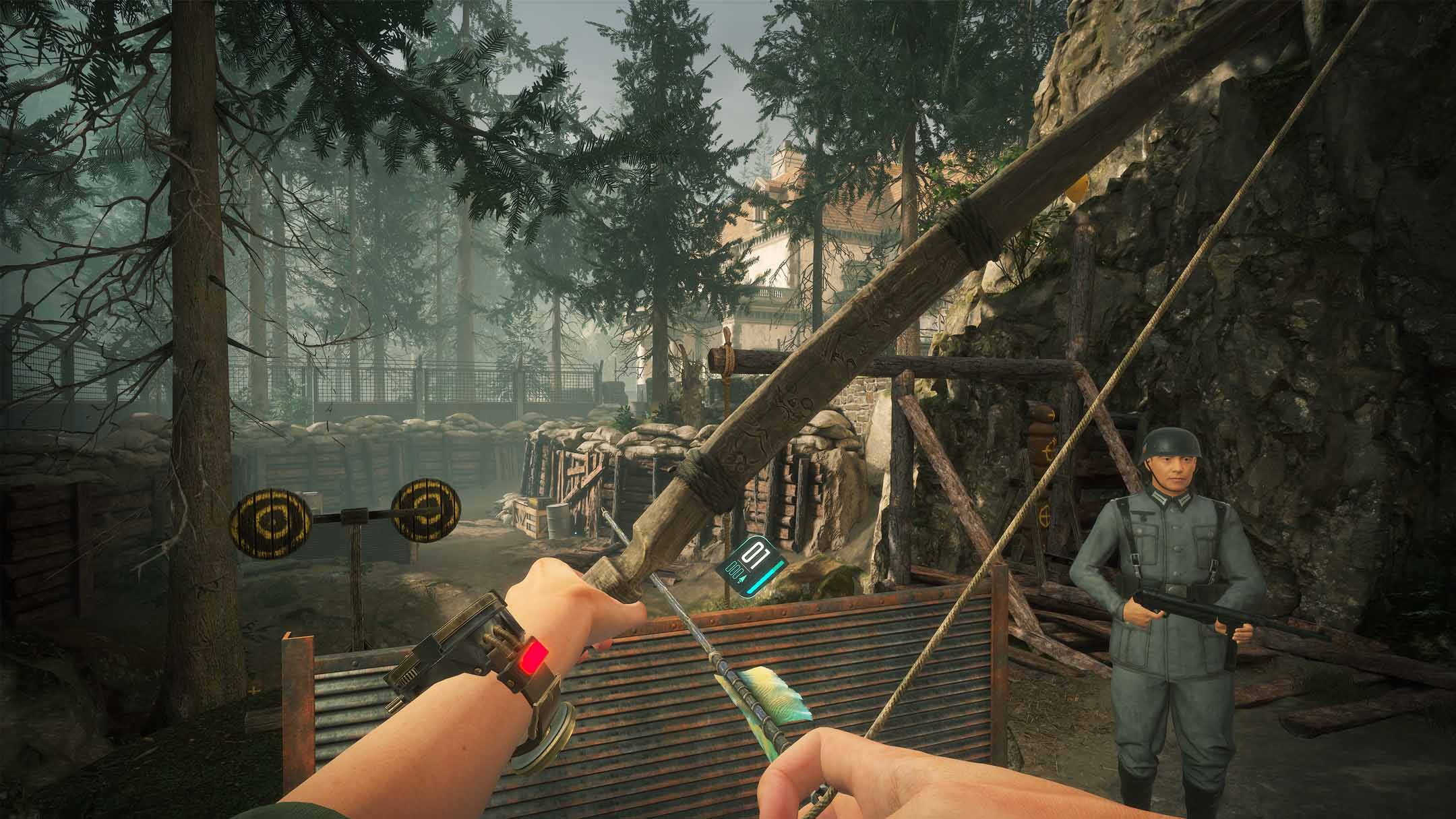
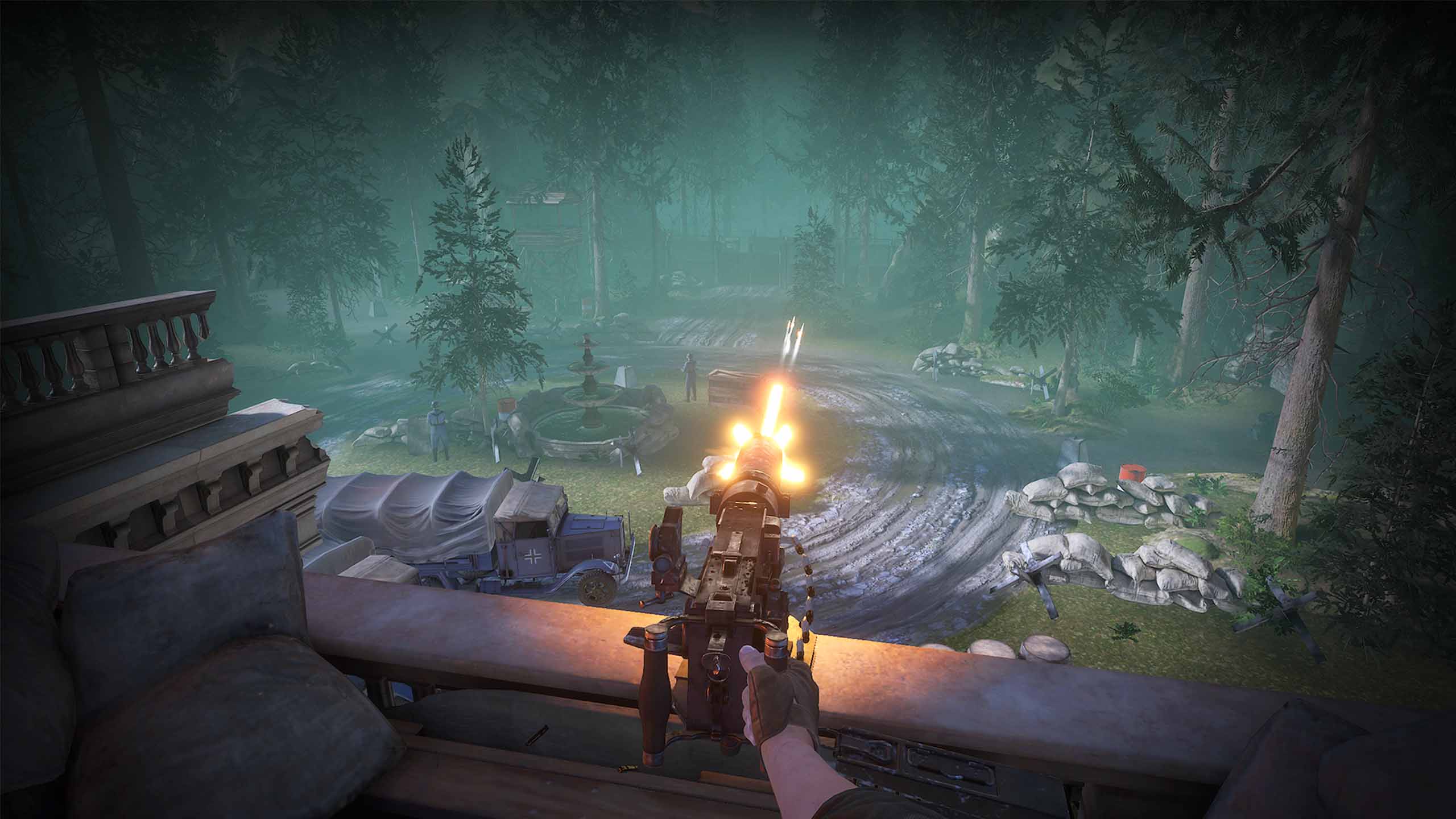
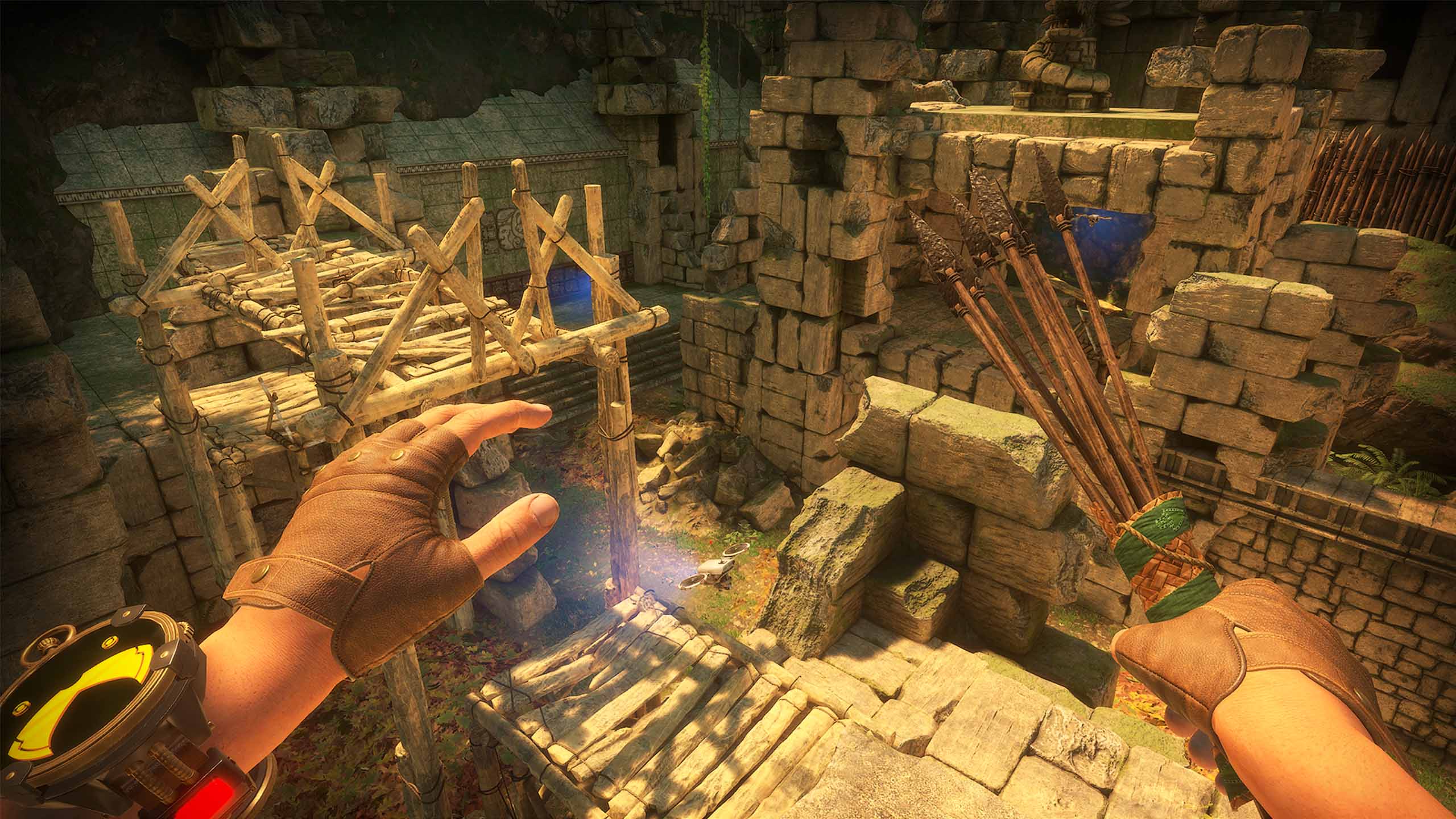
We introduced full-body avatars and mirrors, expanded VR adventure movement (climbing, swimming, swinging, etc.), added new combat and persistence systems, and rebuilt the entire interaction layer inside a physics-driven framework so everything felt weighty and real. Just as importantly, we wanted this tech to carry forward into future projects, so we built all of this inside a modular, next-gen VR framework (VRAF) and battle-tested it on this remake.
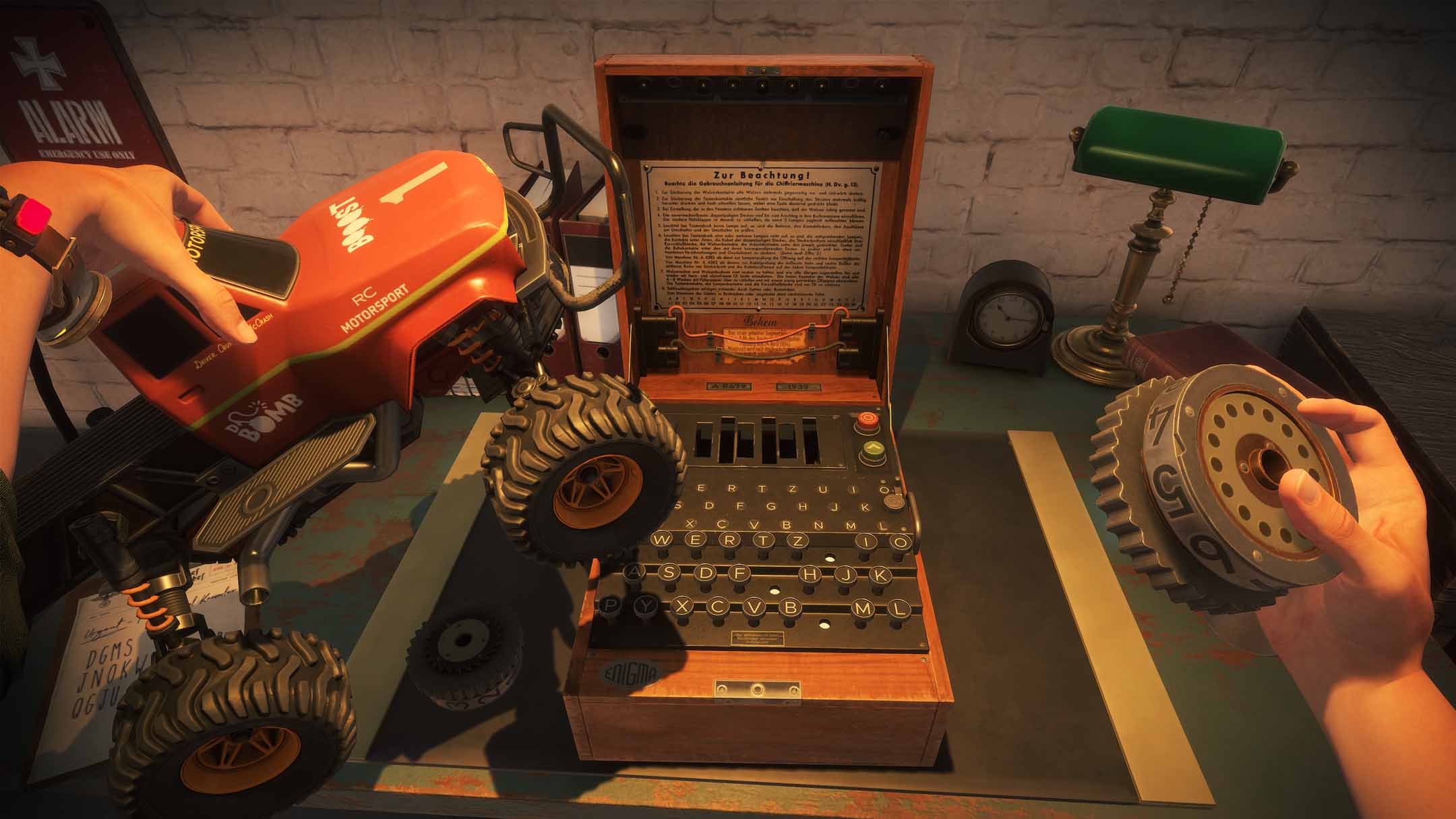
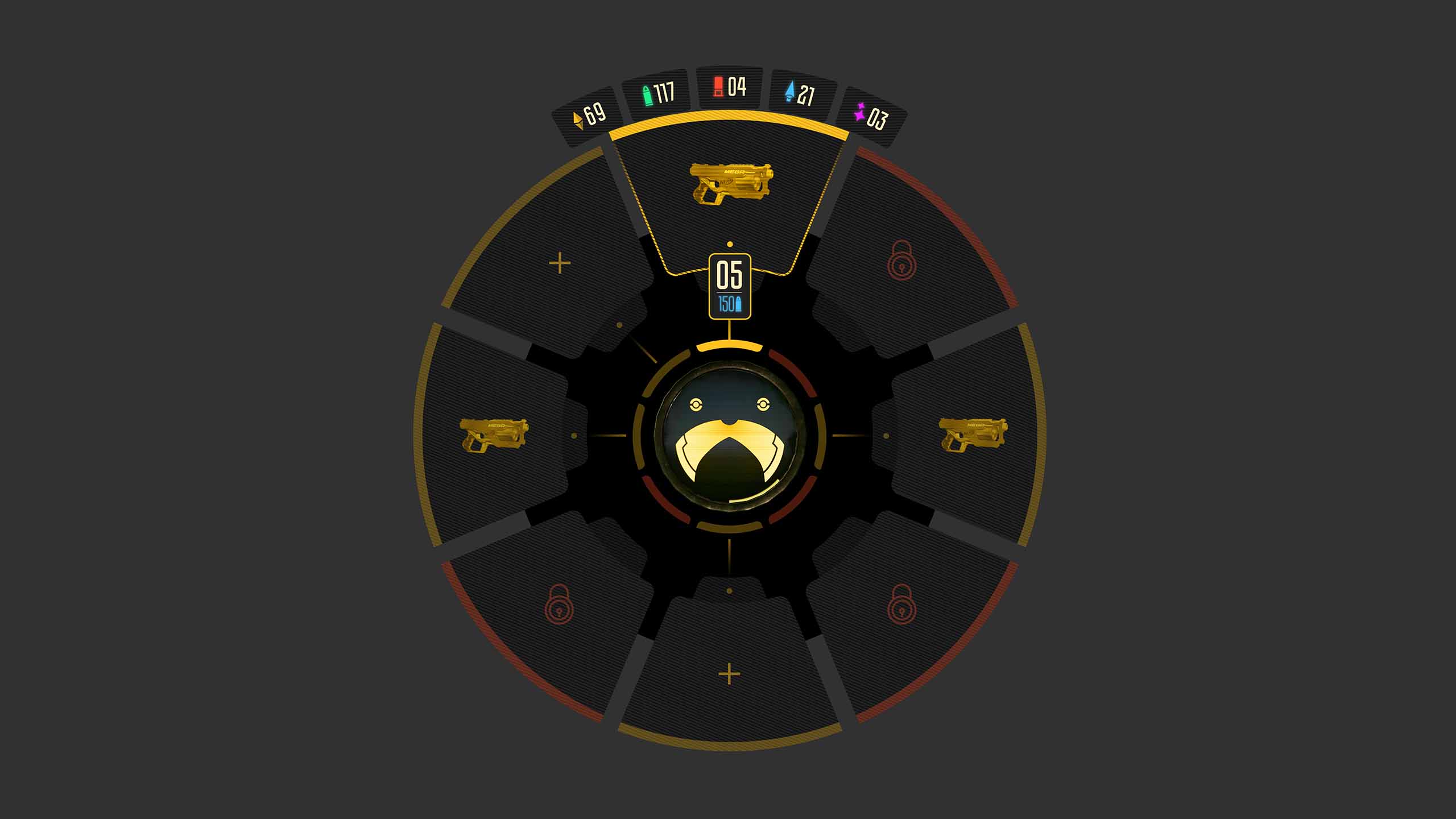
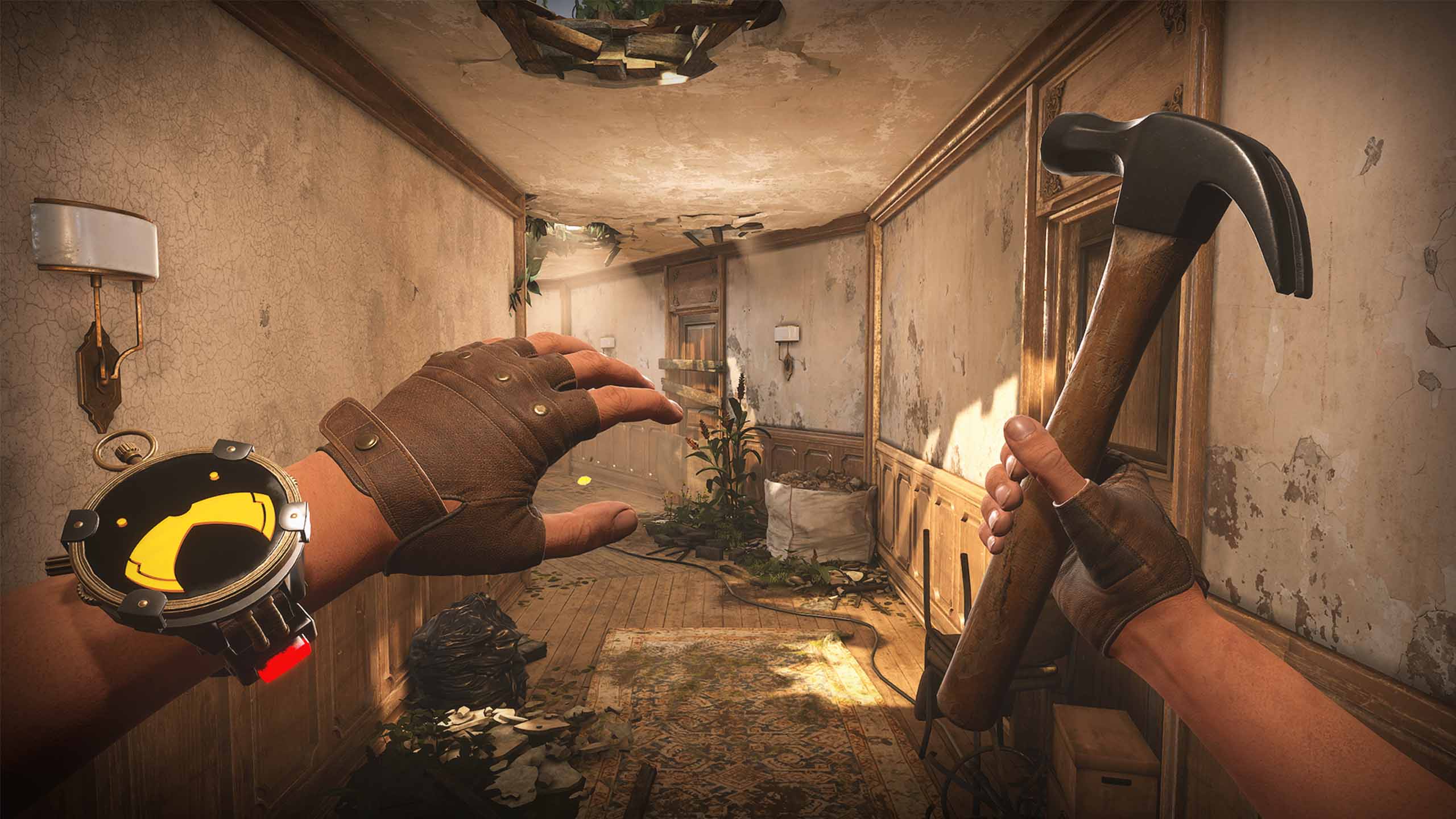
Because we were bringing Wanderer to Quest as well, the game had to scale cleanly from PS5 down to mobile hardware. That requirement shaped everything - our systems, our content, and even the design. The remake leans harder into adventure and player agency, with more freedom to explore and traverse spaces, which meant the levels had to grow accordingly. We also added features to address pain points from the original, like watch upgrades that enable instant era-to-era travel without routing through the hub, plus quality-of-life improvements such as quick-switch inventory.
In many ways, all of this ended up being more work than the original game. I’m incredibly proud of The Fragments of Fate. It’s a big, fun, epic adventure, looks stunning on PS5, and delivers a story that stays compelling from start to finish. Stoked to also say it was the
top seller for April on PSVR2. WTFOF was also nominated for PSVR 2 GOTY.
Key Contributions
Made in Unreal Engine 5 this time, I helped lead a slightly bigger team than the original game, having to wear many hats whilst also staying focused on my core strengths. Here are the areas where I feel I added the most value:
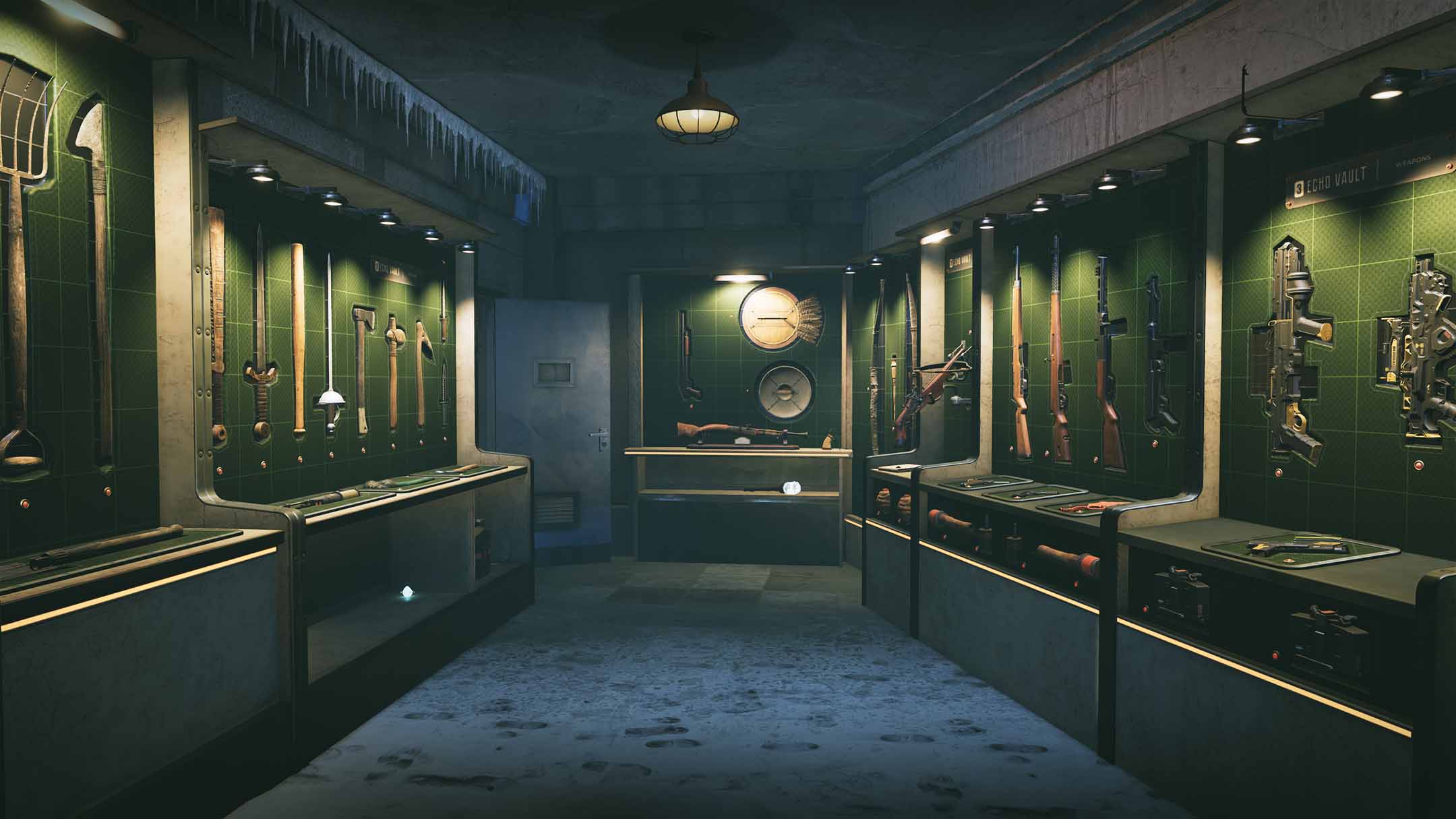
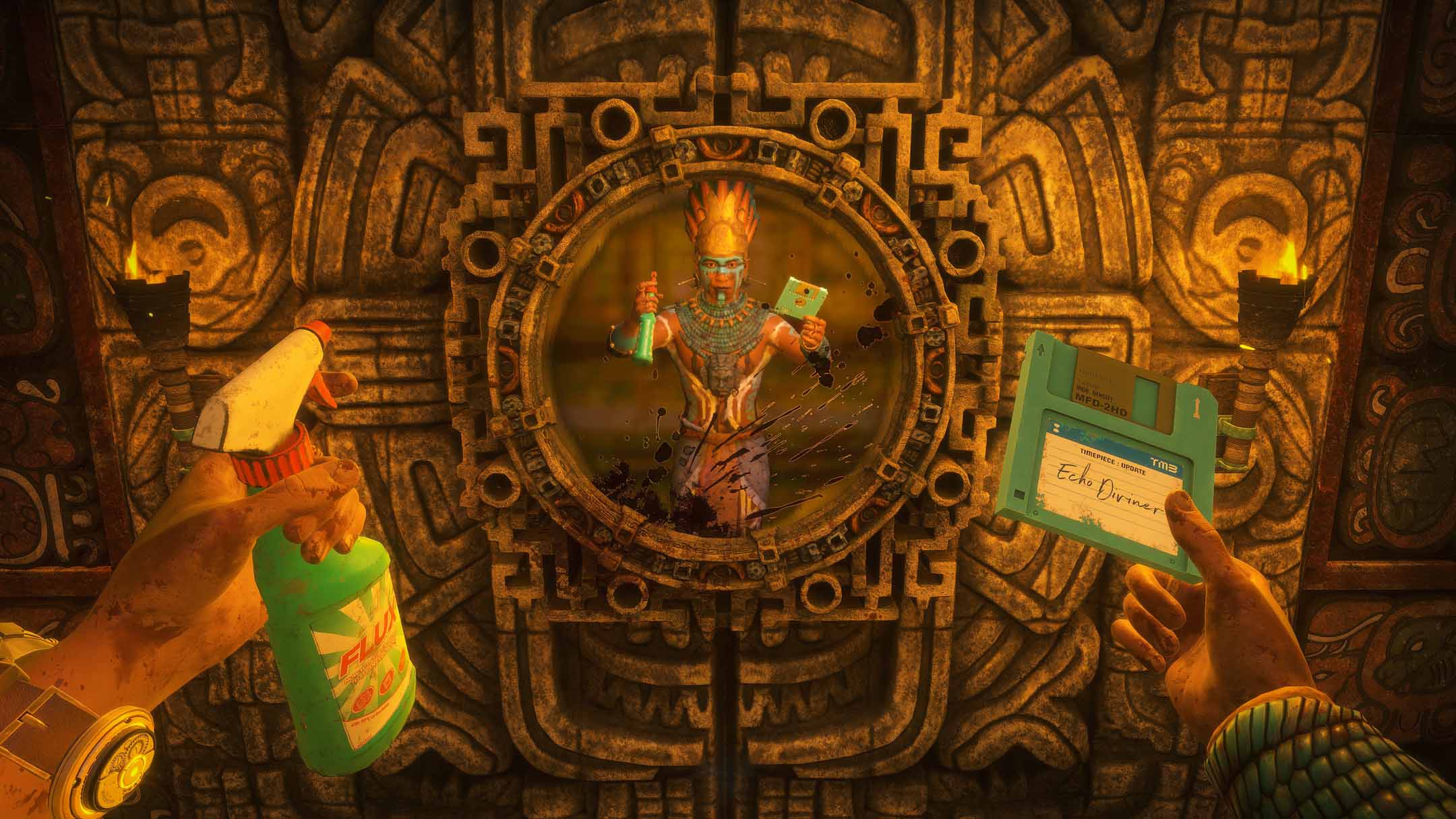
+ Game Design: Looking back at the original game, we dug into where players felt friction - key pain points, drop-off moments, and pacing gaps. We addressed these with targeted design fixes that sometimes grew into entirely new features (like the Echo Diviner), alongside broader pacing and story tuning. We also added new items and expanded levels to support the new VR adventure movement and combat systems, giving players more room to explore and engage.
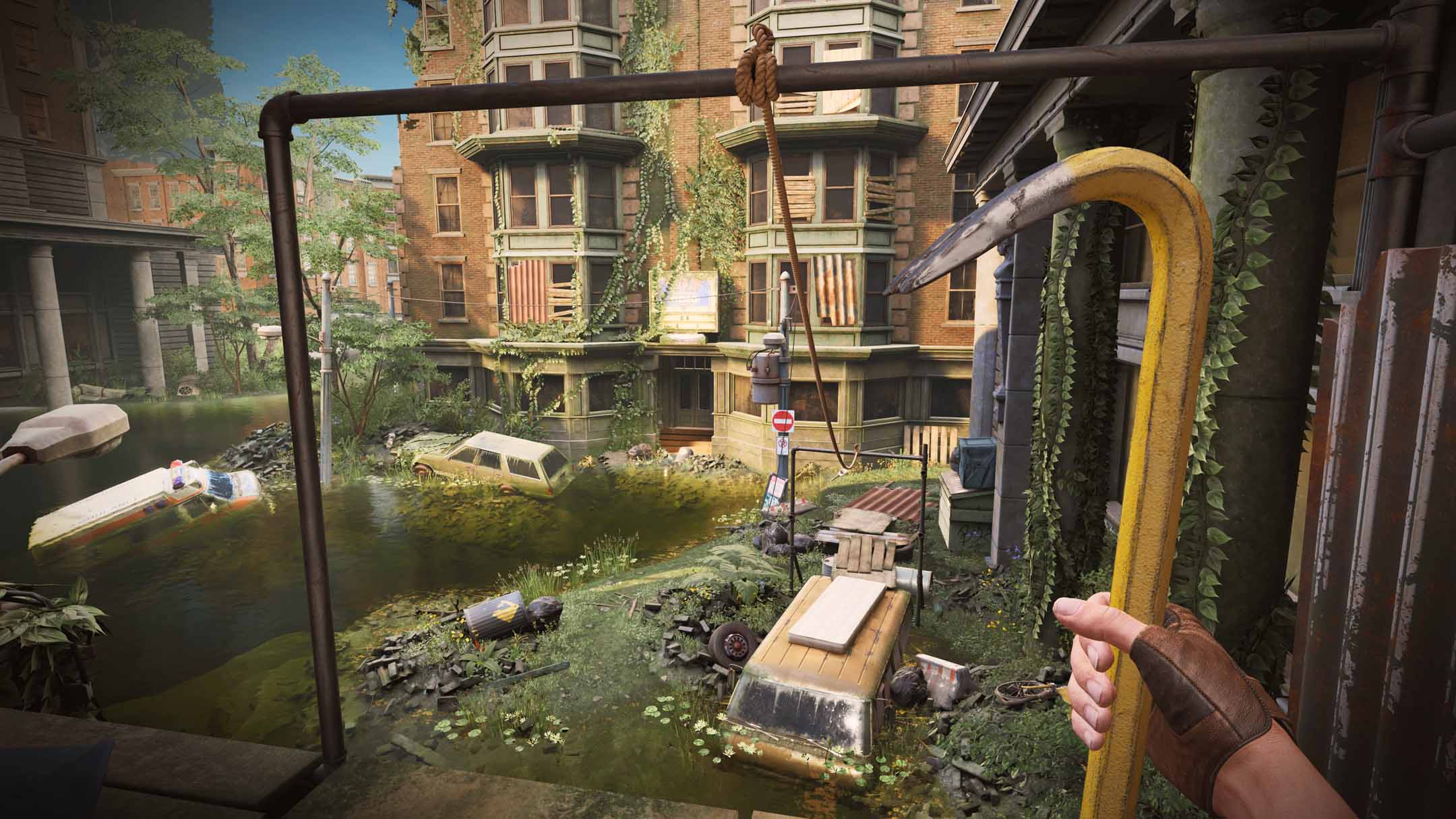
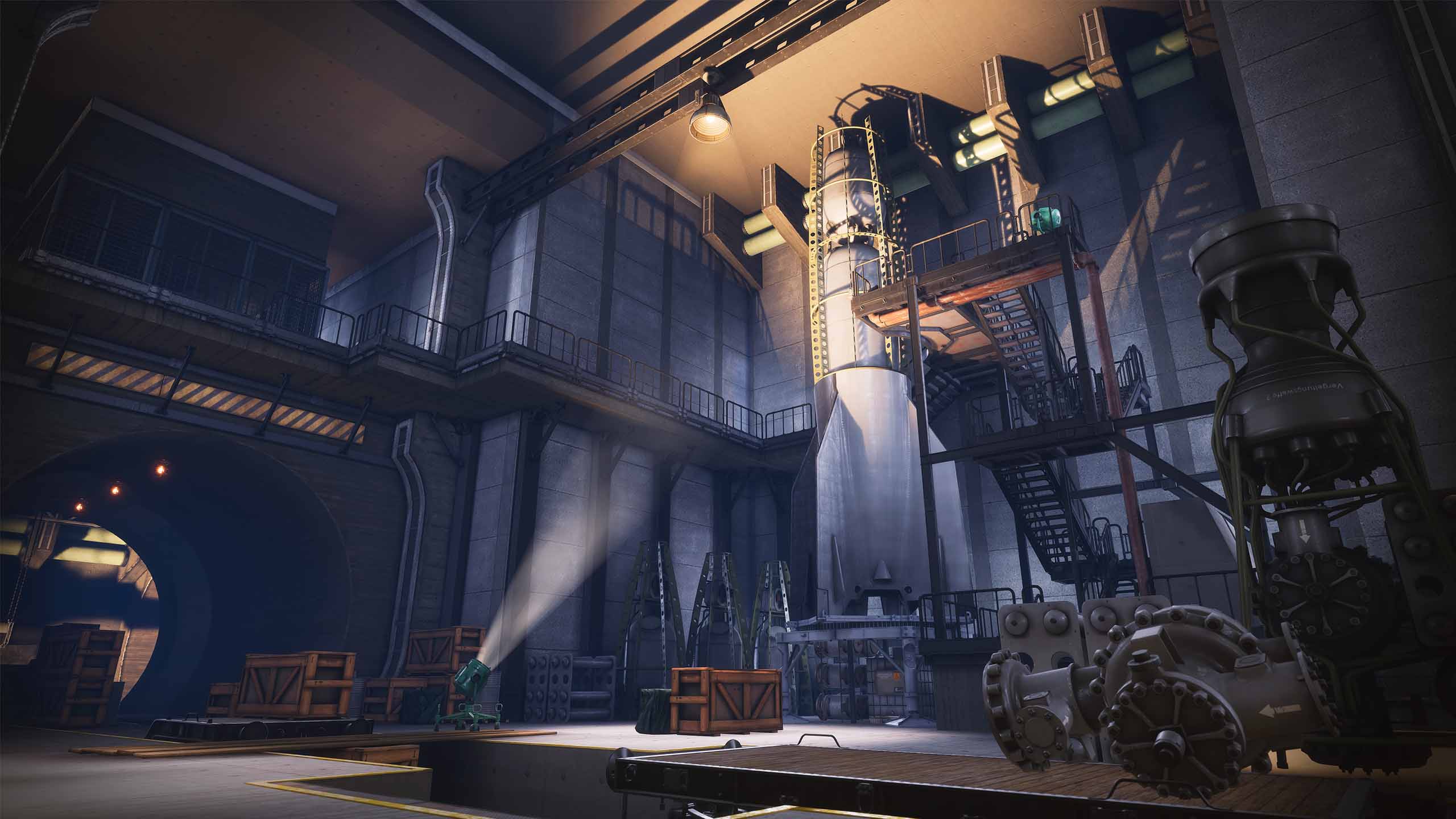
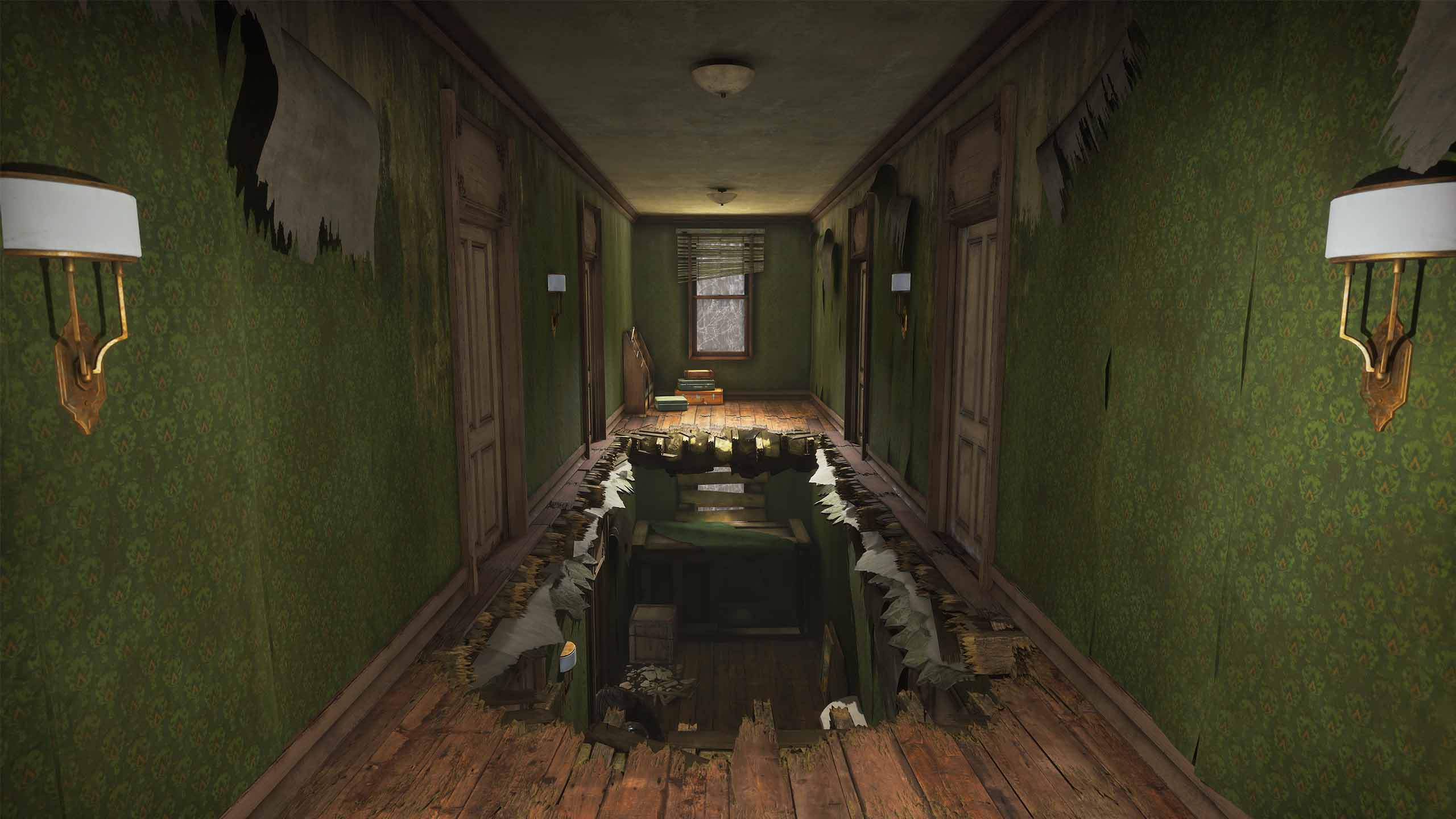
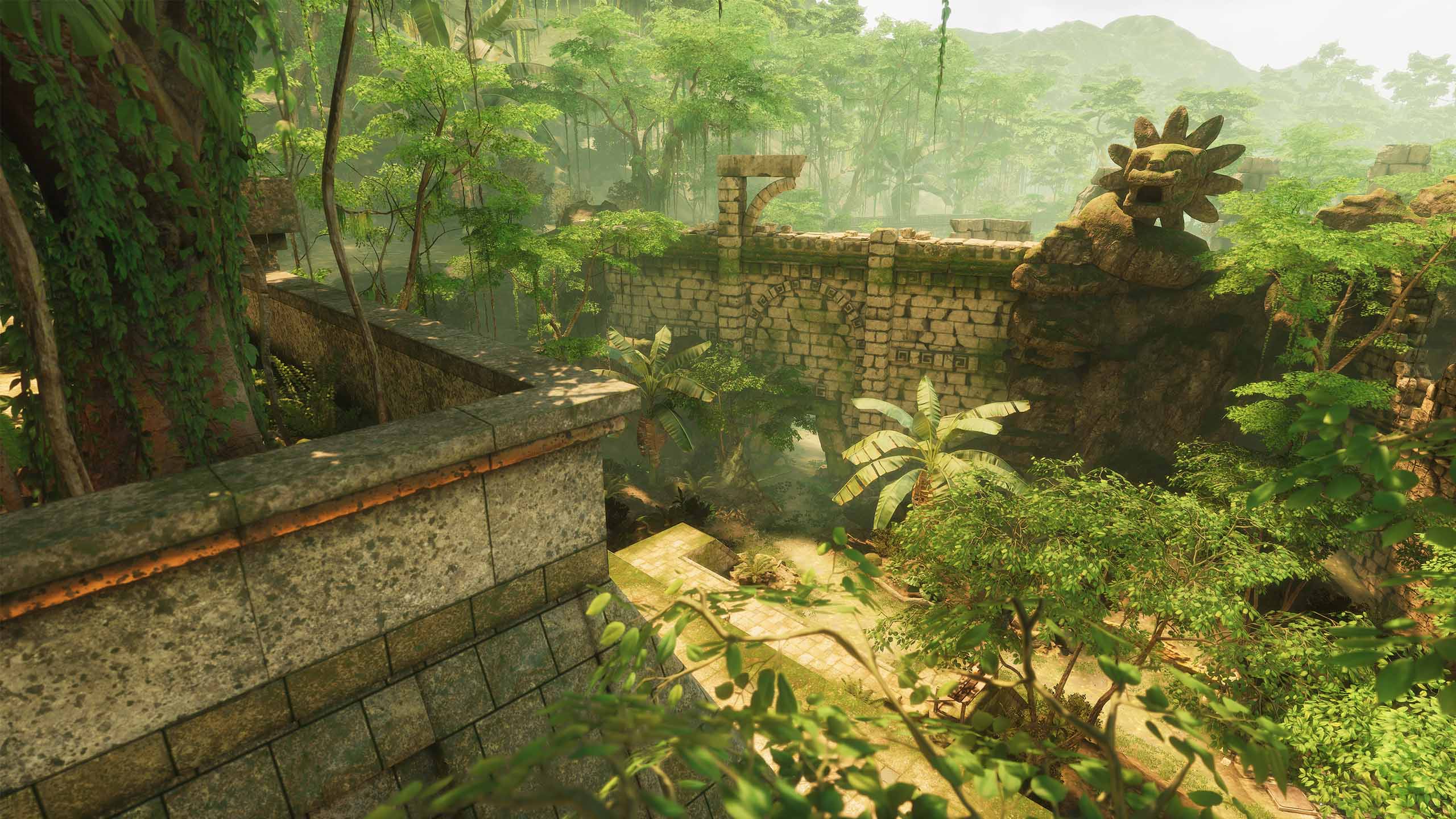
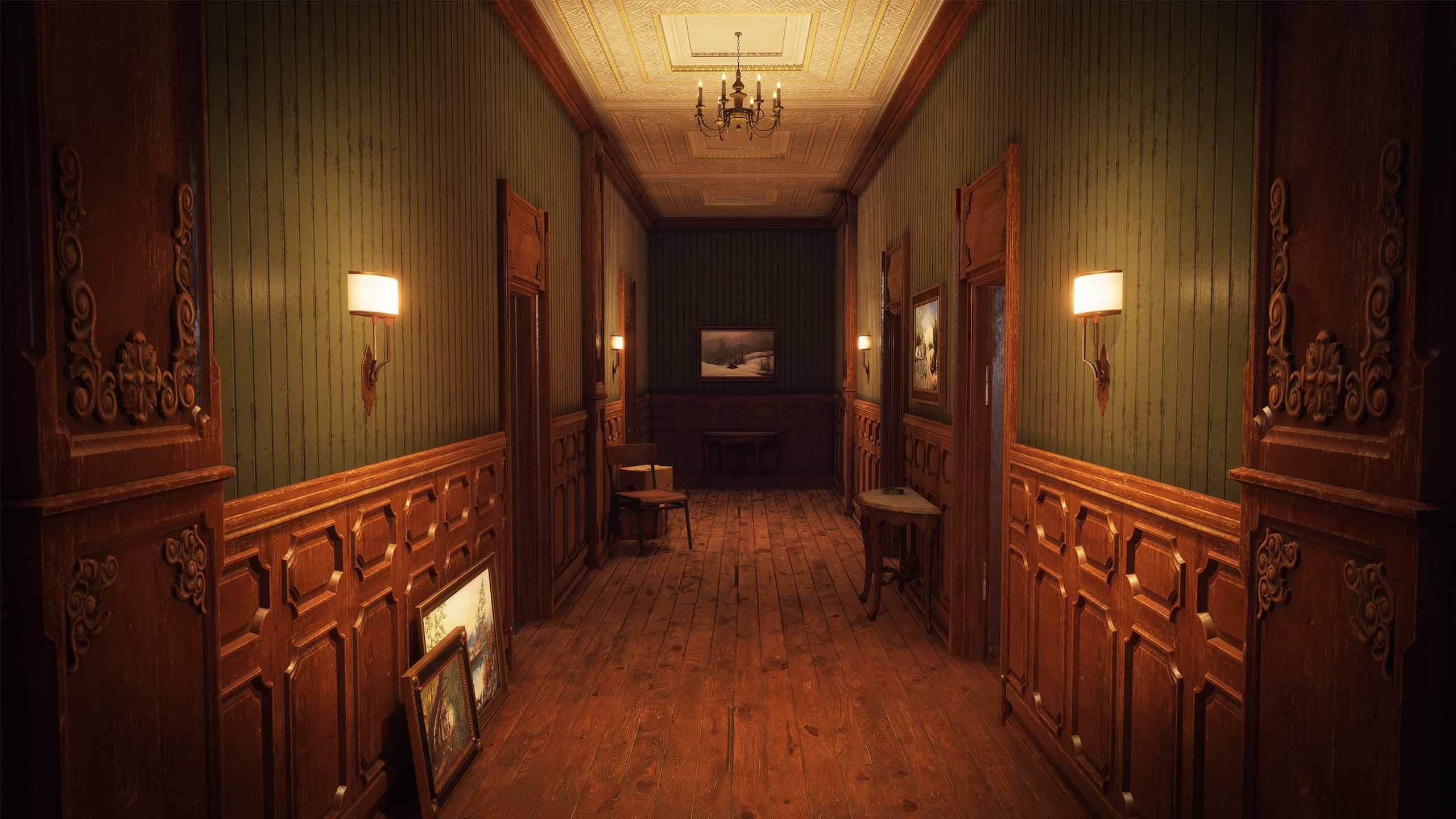
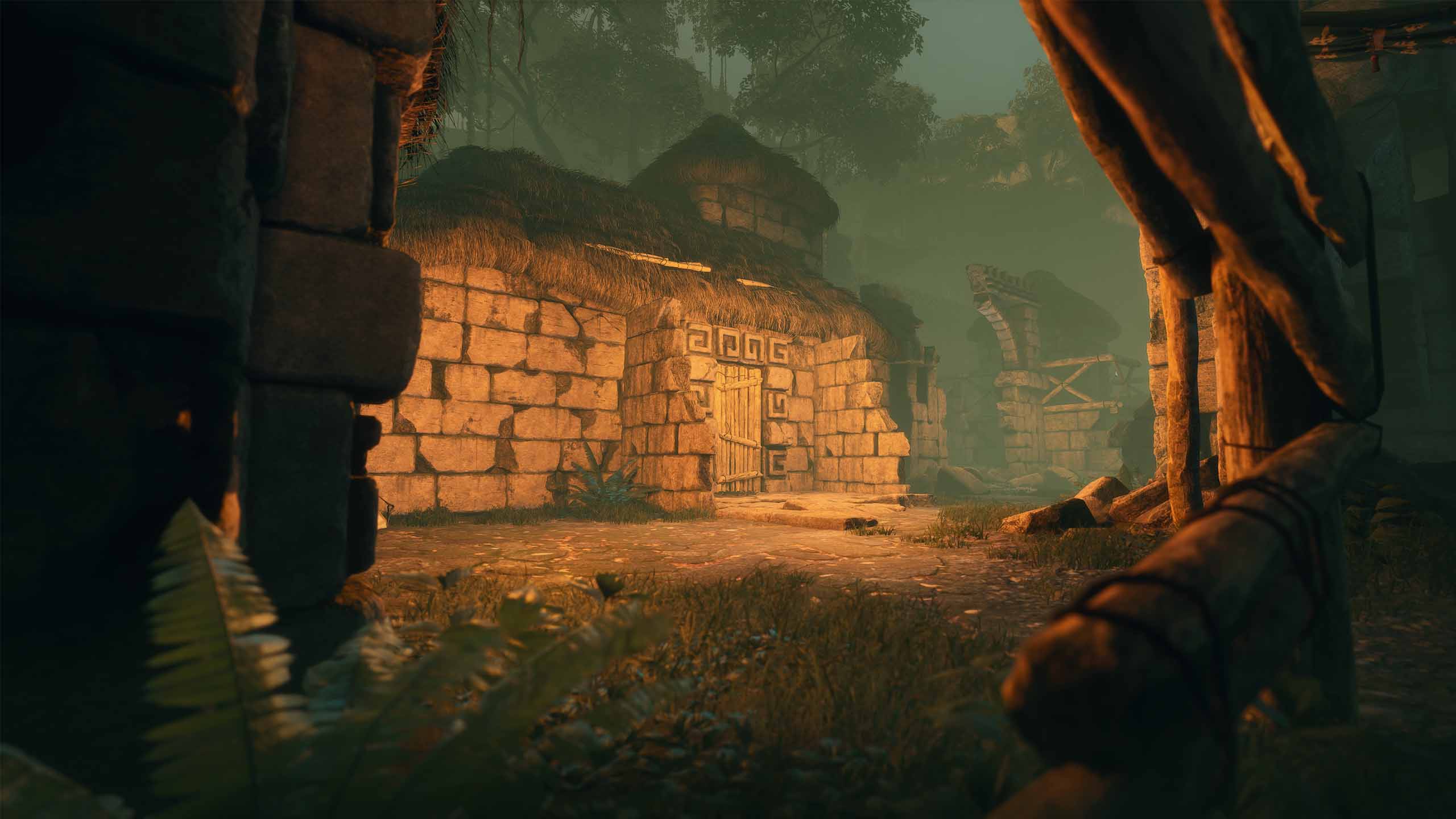
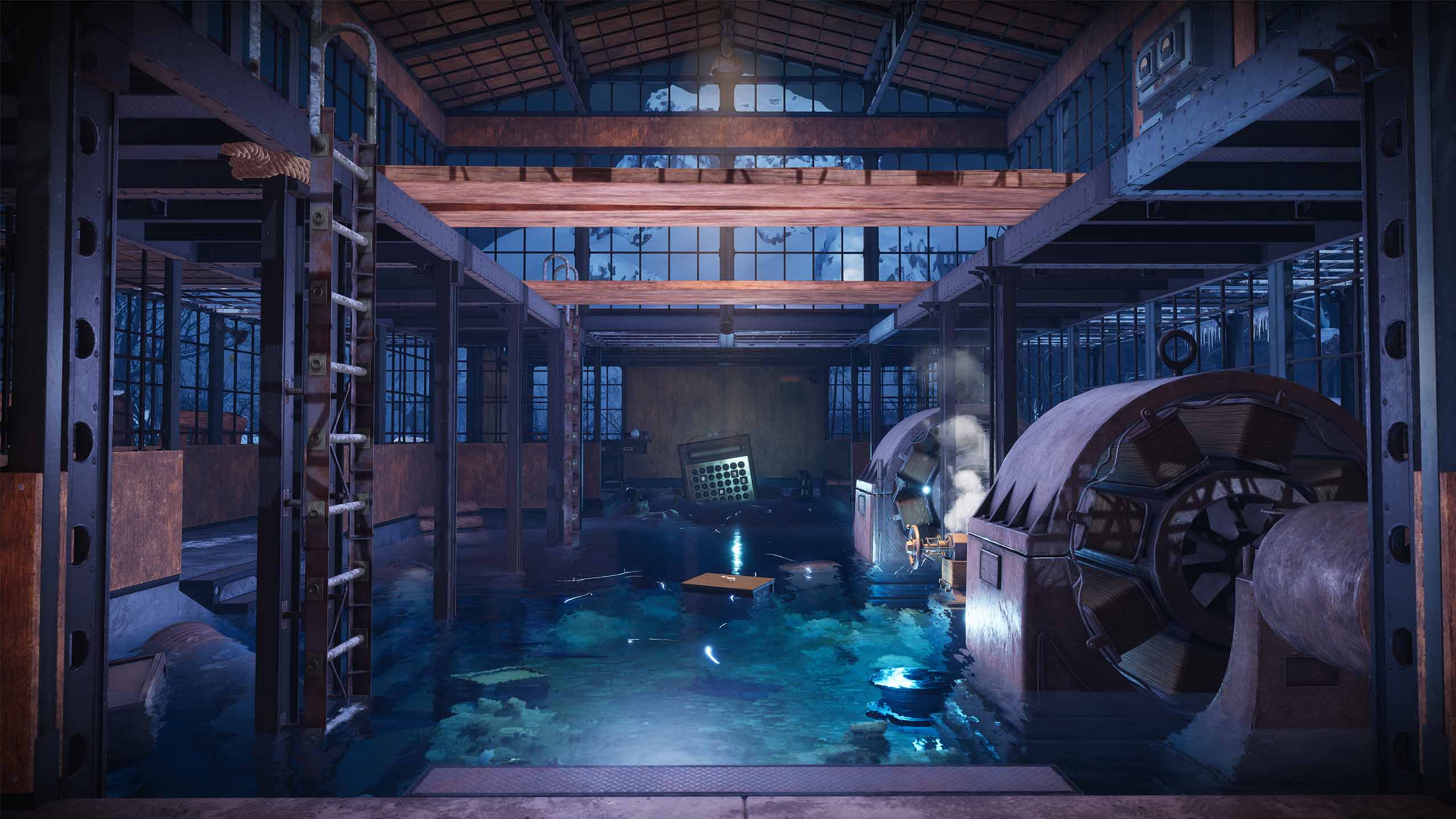
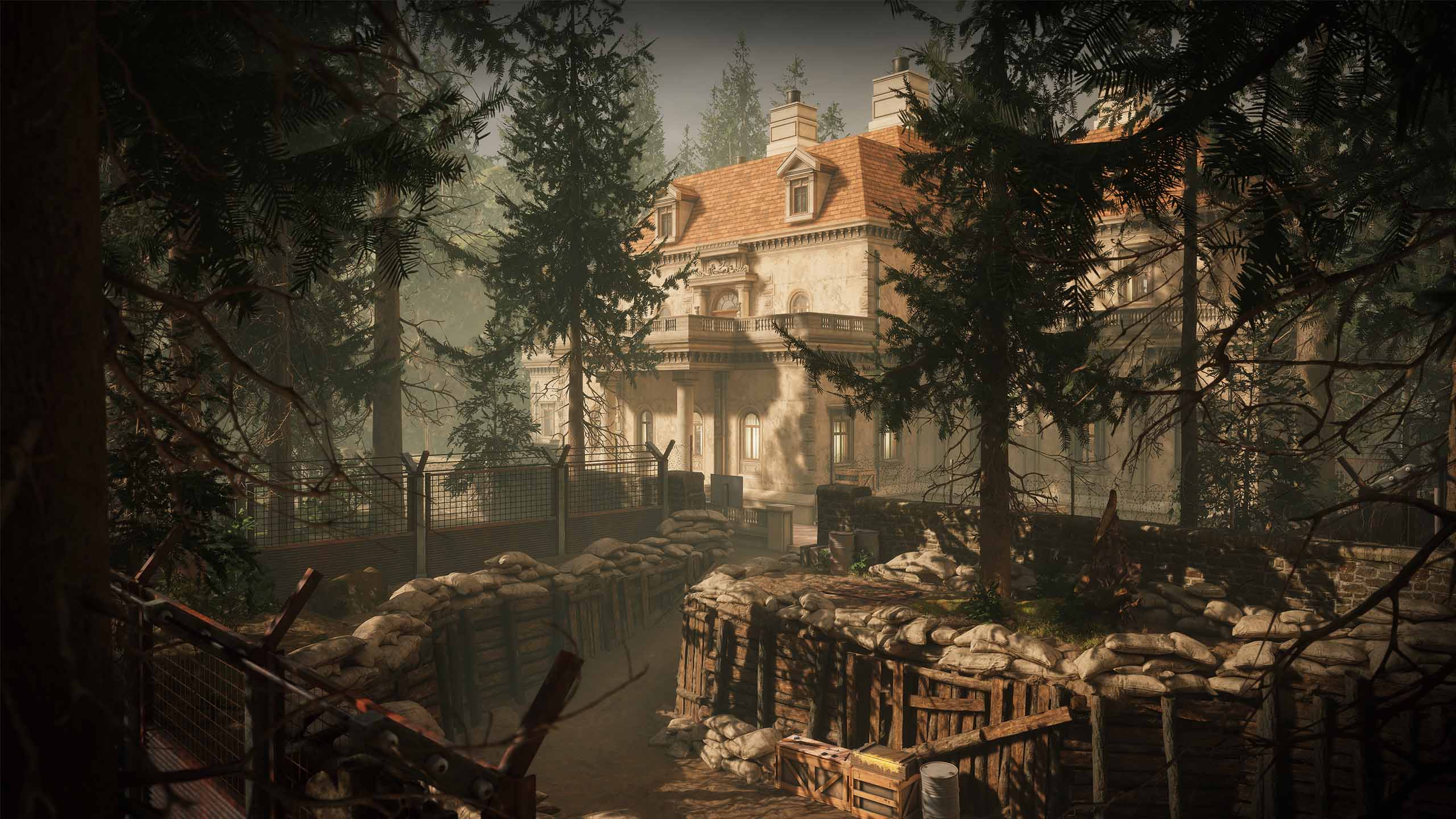
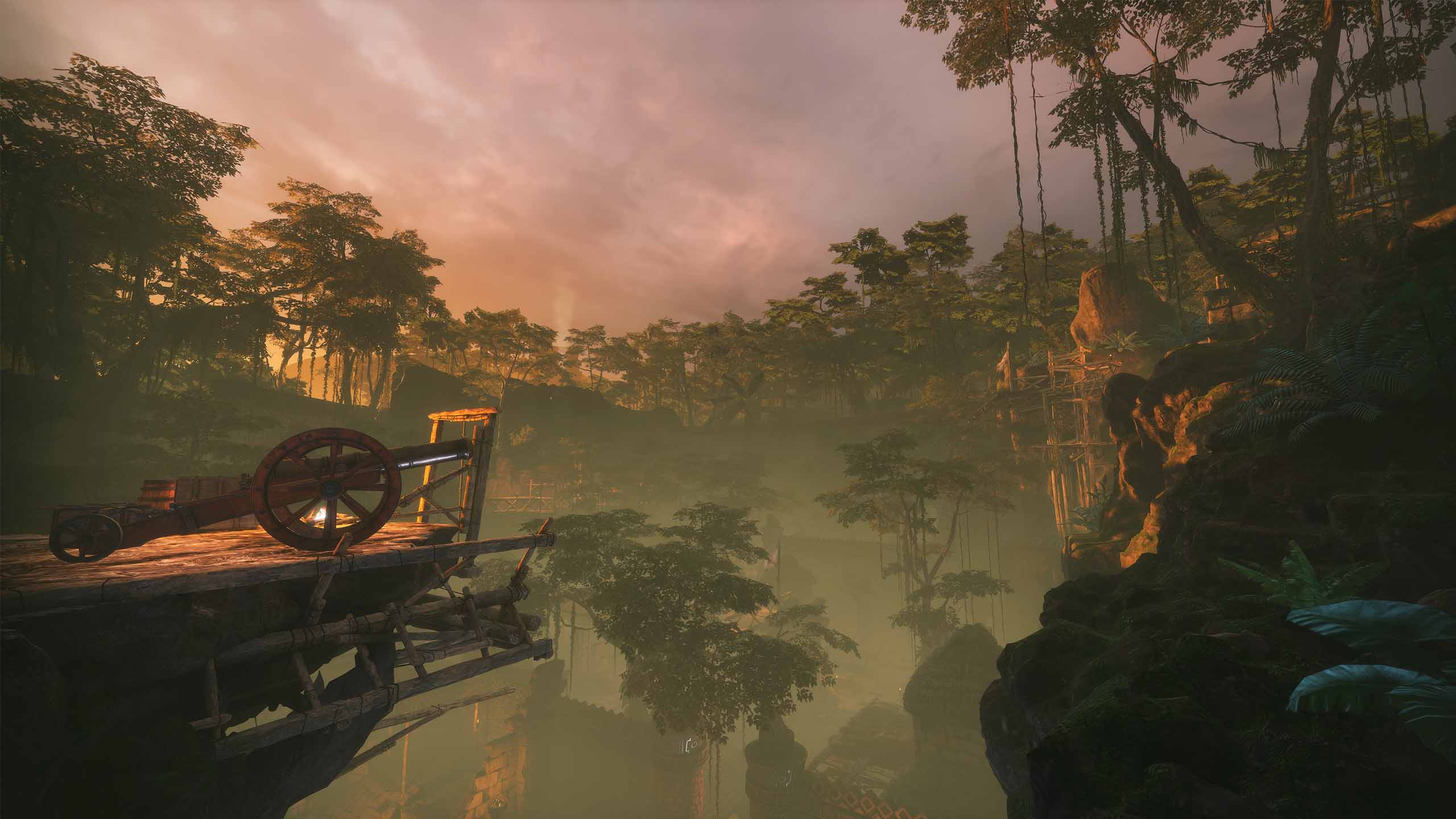
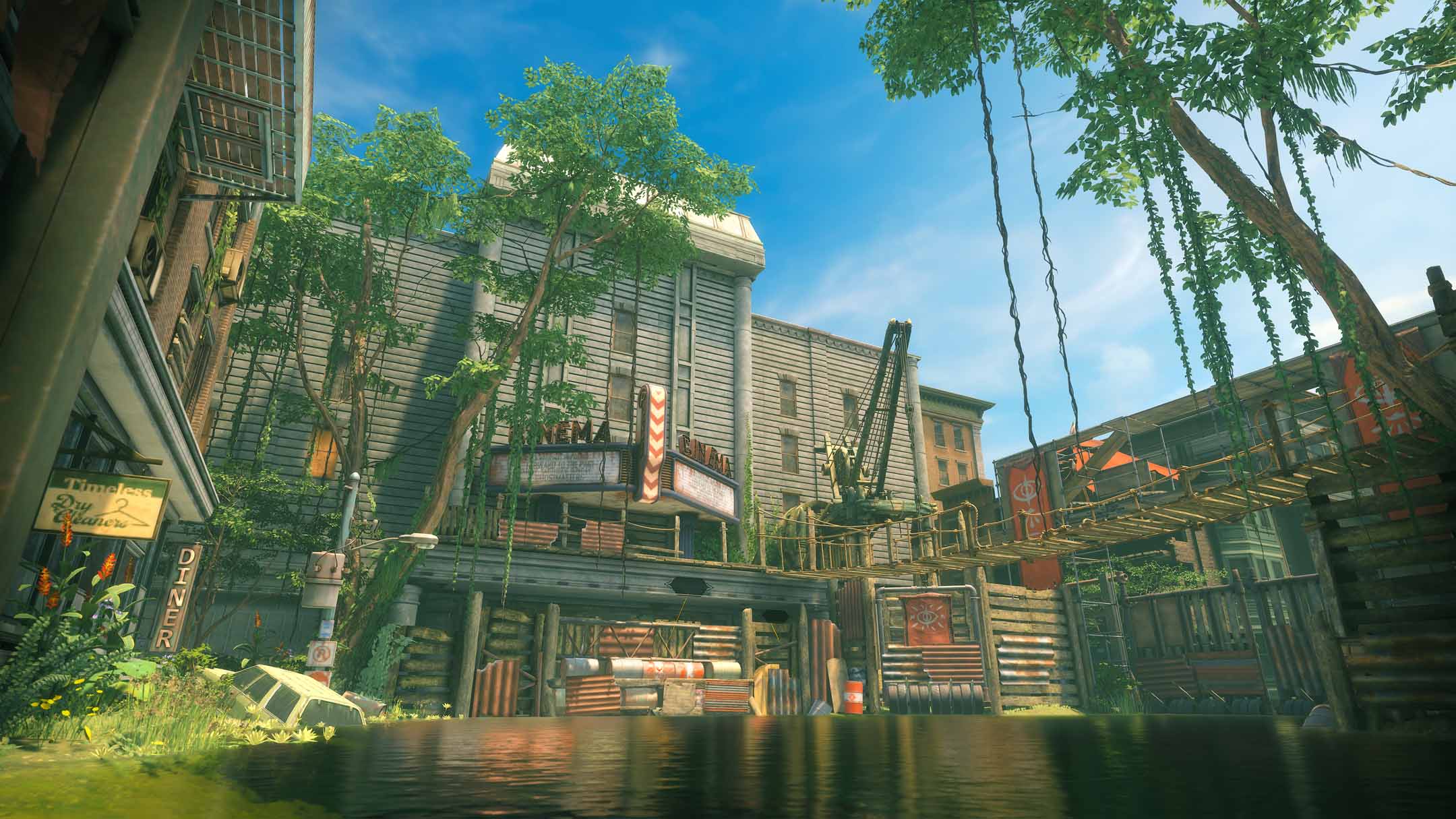
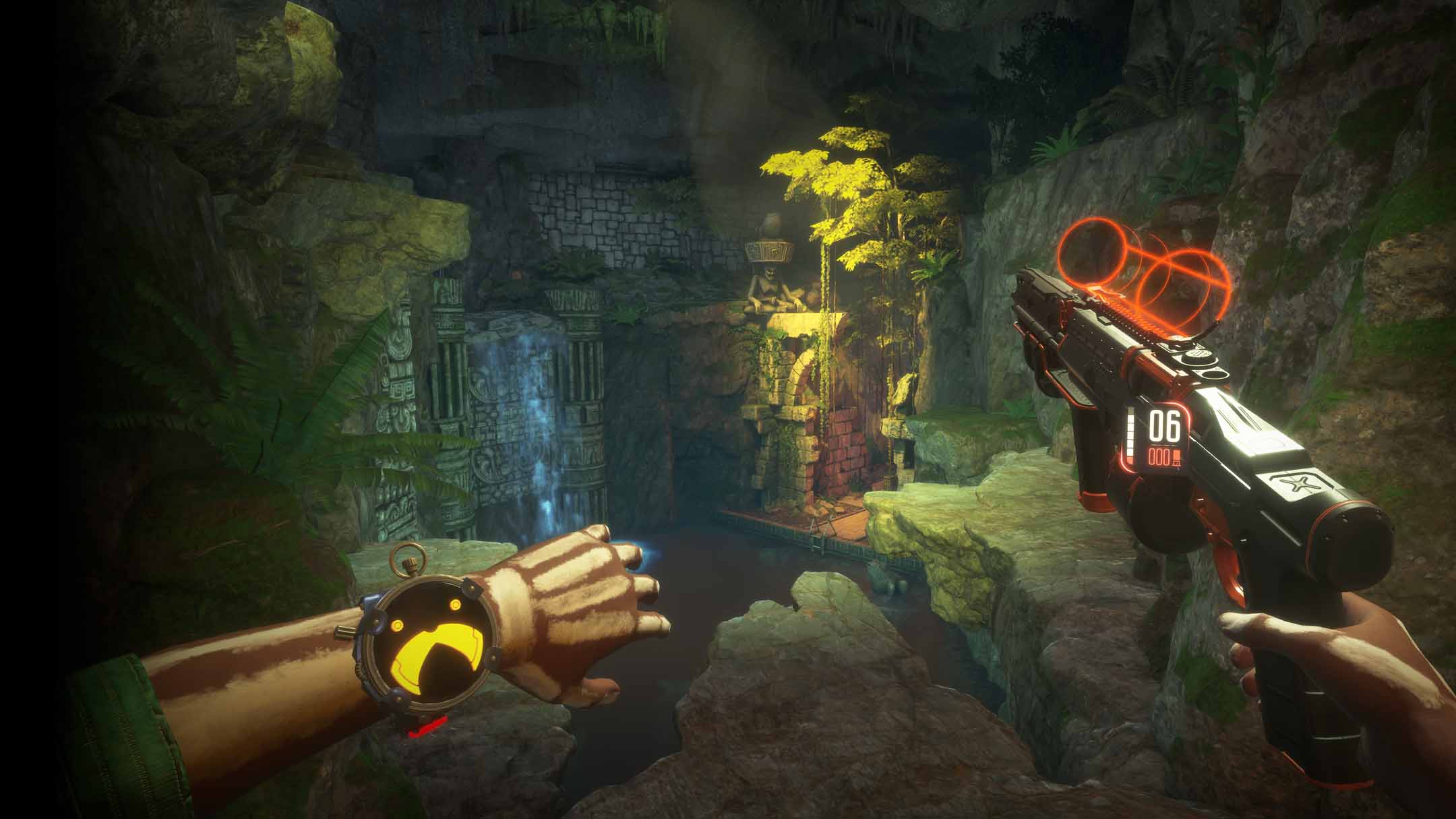
+ Level Art: I personally built the majority of TFOF’s environments in UE5. Every space was rebuilt from the ground up to support new scalability systems we developed to target everything from PS5 down to Quest. That work covered the full stack (set-dressing, poly-painting, materials, landscapes, and foliage) and I handled a large share of scene optimisation using in-engine tools (LODs, HLODs, shader simplification, profiling, etc.) to keep VR performance rock solid.
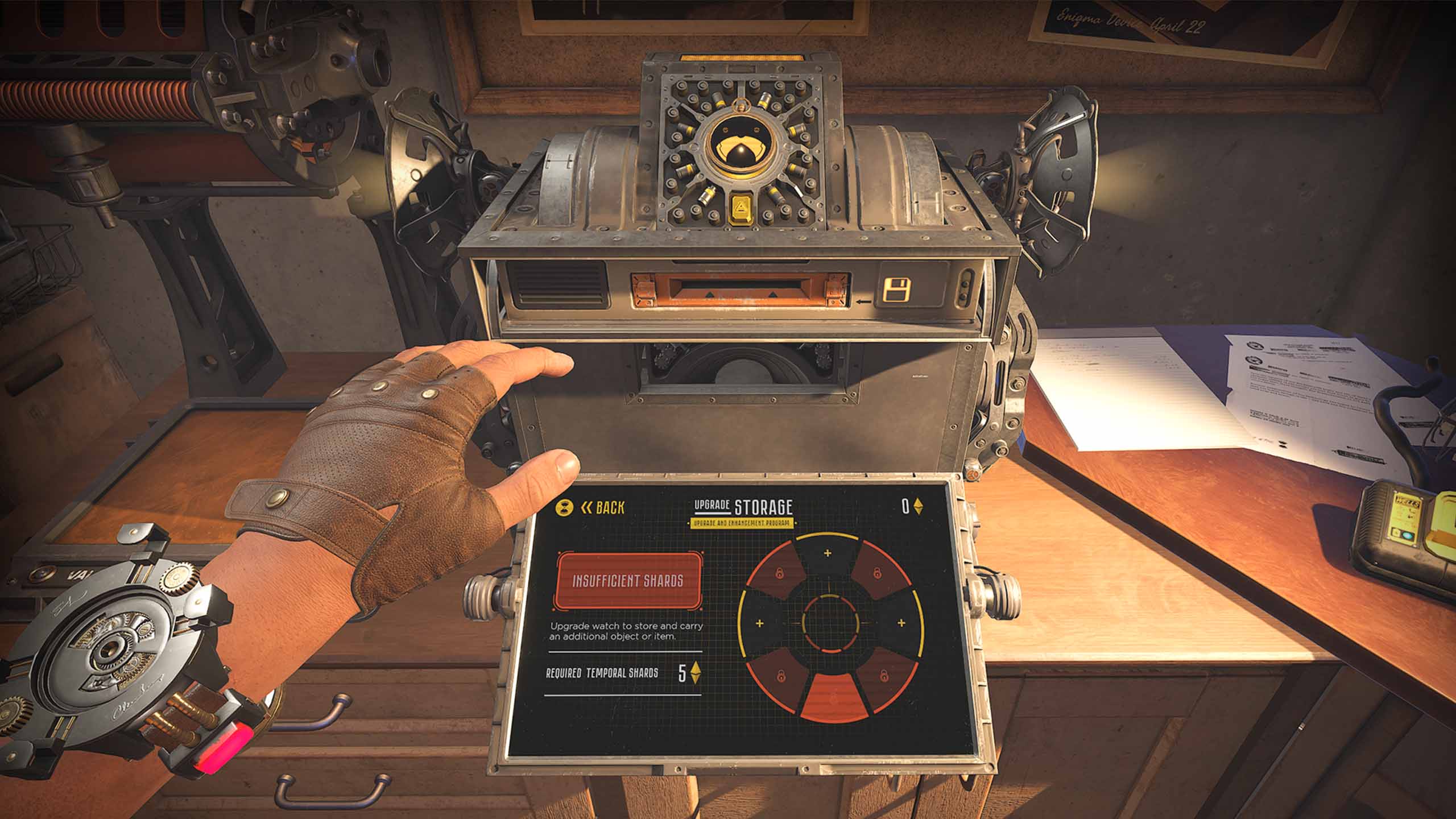
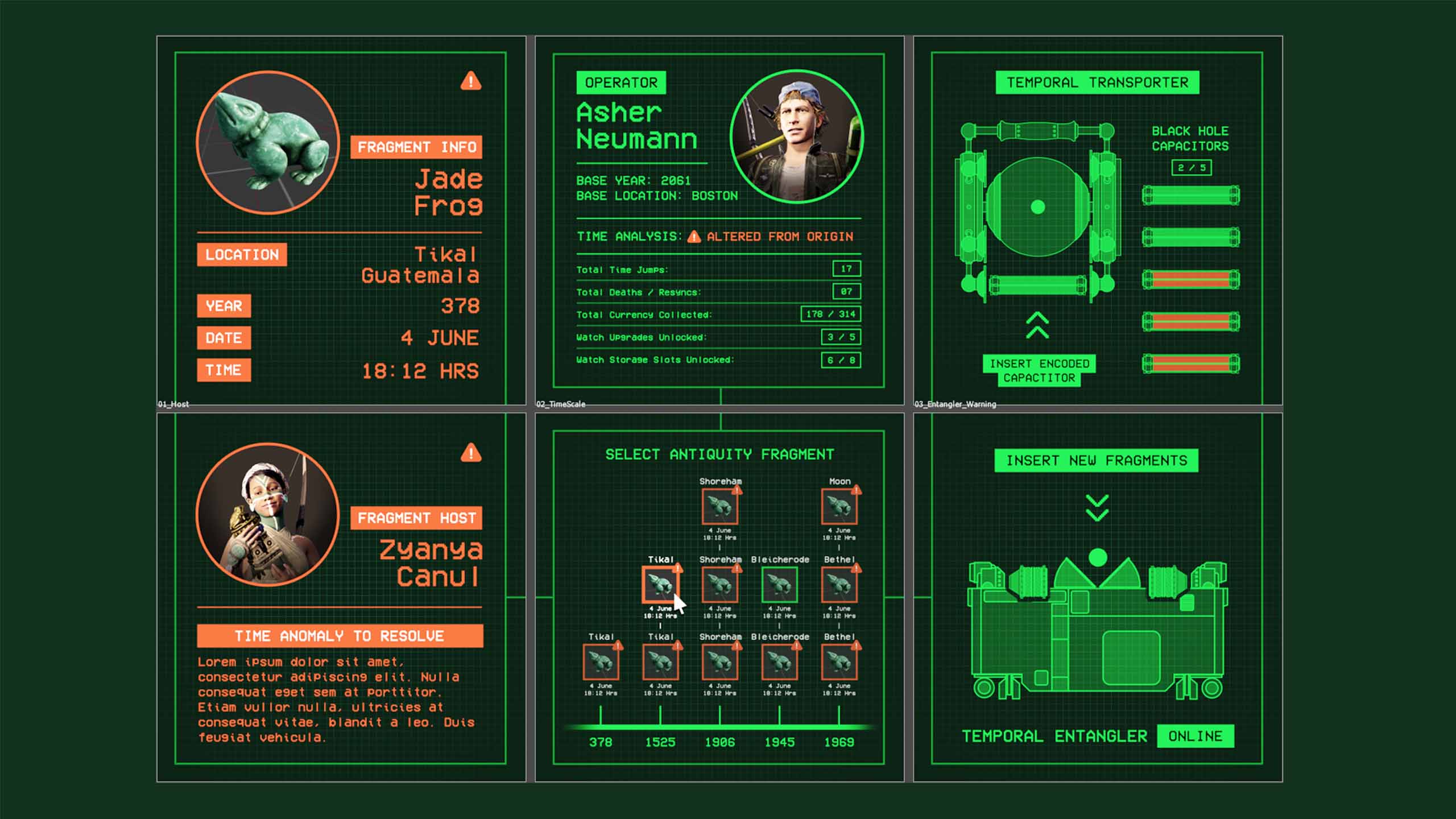
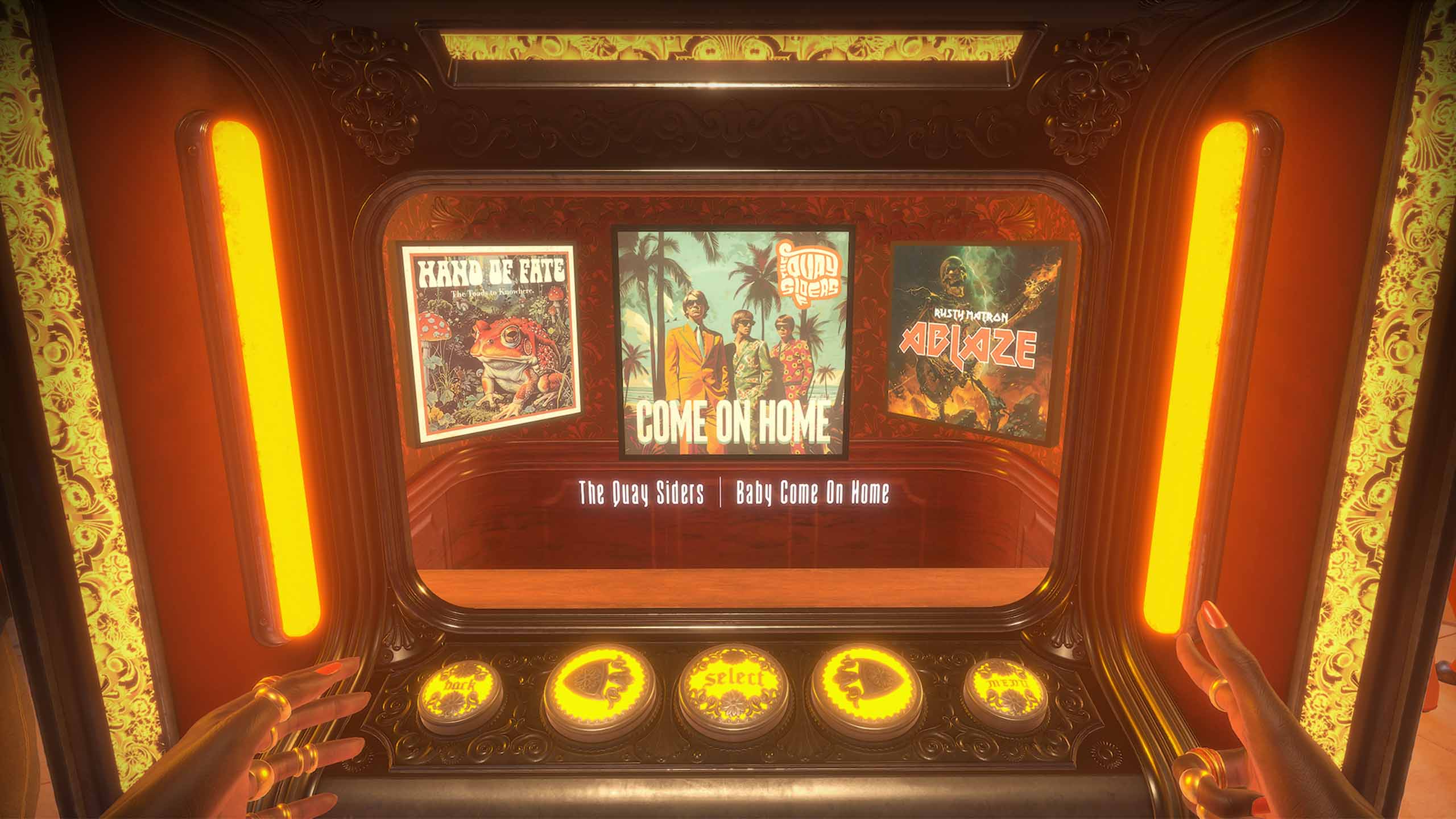
+ UI & 2D Art: I designed and implemented all of the game’s UI - everything from core in-game menus to the watch interfaces, the Woodrock Drum mini-game, and the Time Terminal machine. Many of these systems blended hybrid 3D/2D UI components.
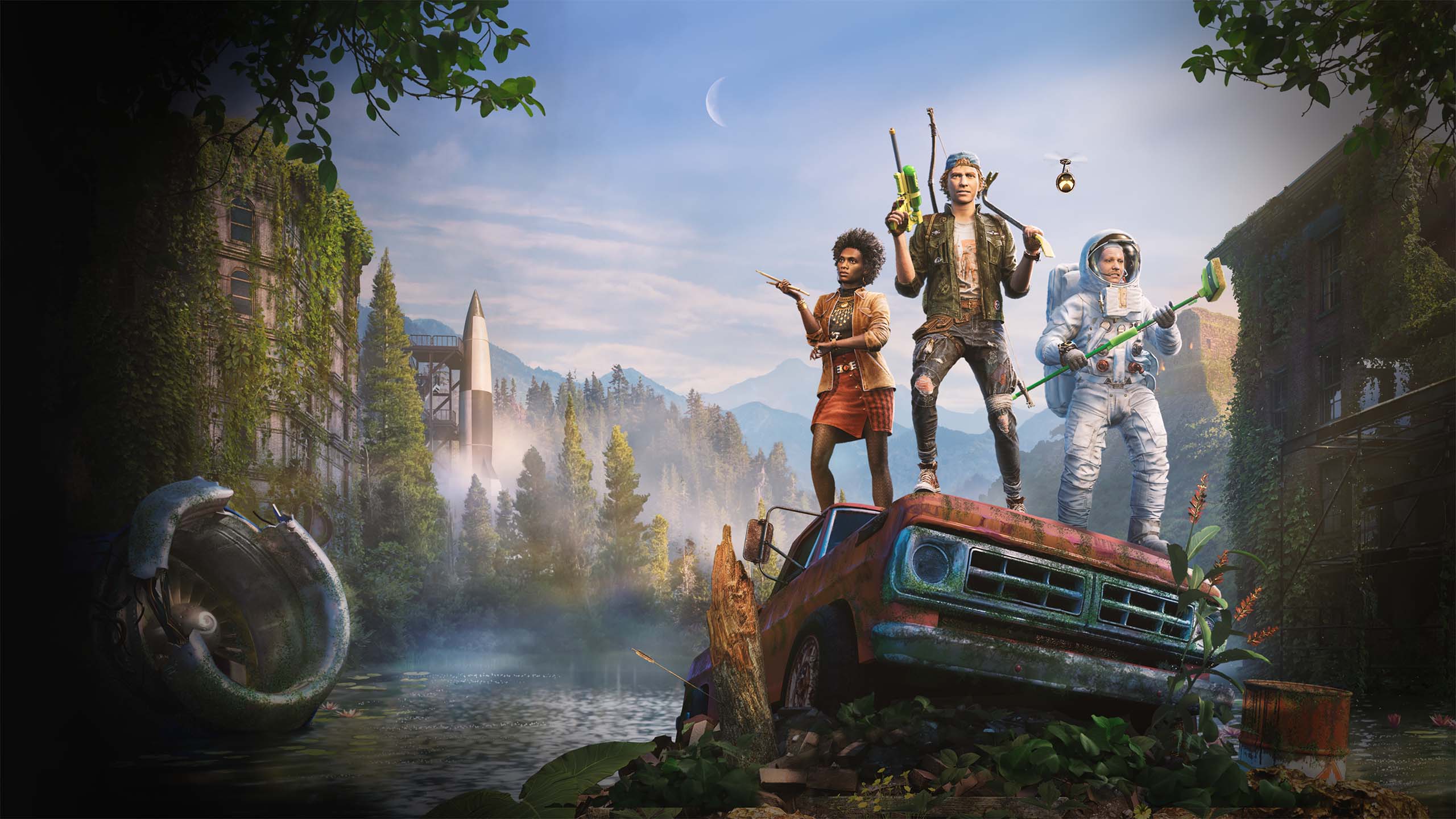
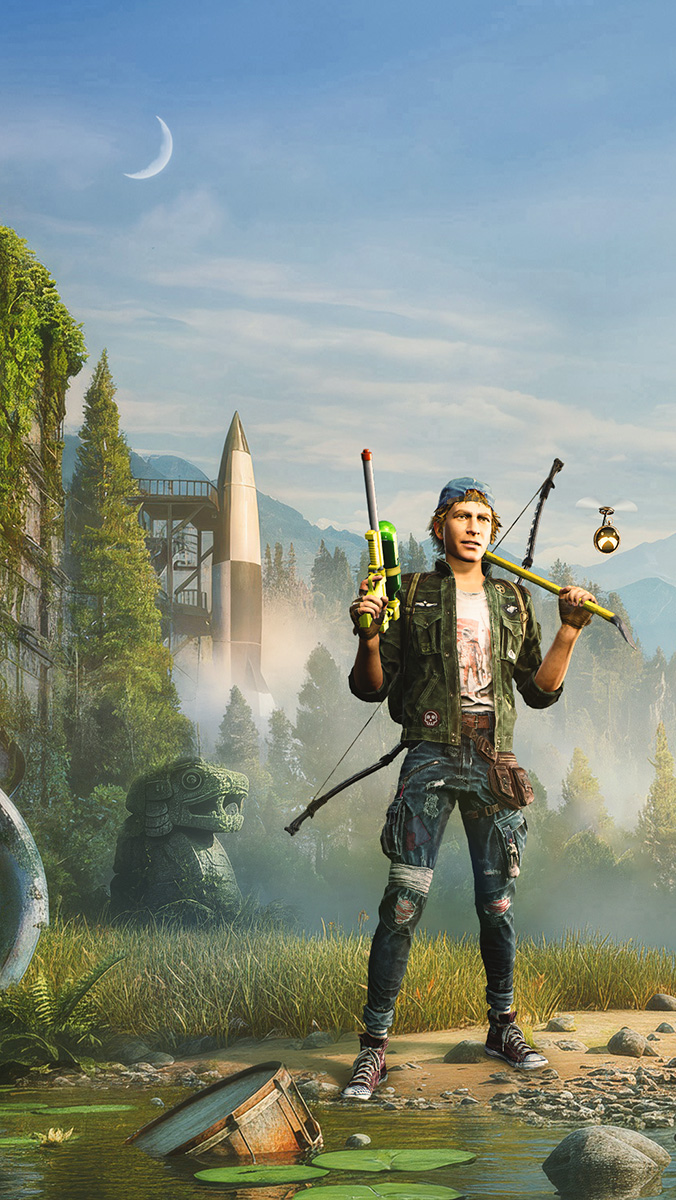
+ Creative Direction: I oversaw the project’s creative vision: guiding art and character development, directing voice sessions, producing key art, and ensuring every element fit a cohesive world and tone.
+ Narrative Design: Wanderer was my first deep dive into narrative scripting, primarily in Articy. The game’s non-linear, timeline-hopping story required a custom approach, so we built our own Articy system to support it. I structured narrative flows, built the hint system and hint manager, and wrote hundreds of lines of dialogue. You can read more about that here.
+ Marketing : I helped create marketing material including trailers, key art and socials as well as help create core marketing strategies.
TRAILERS & VIDEO.
IMAGERY.









ben@markby.games